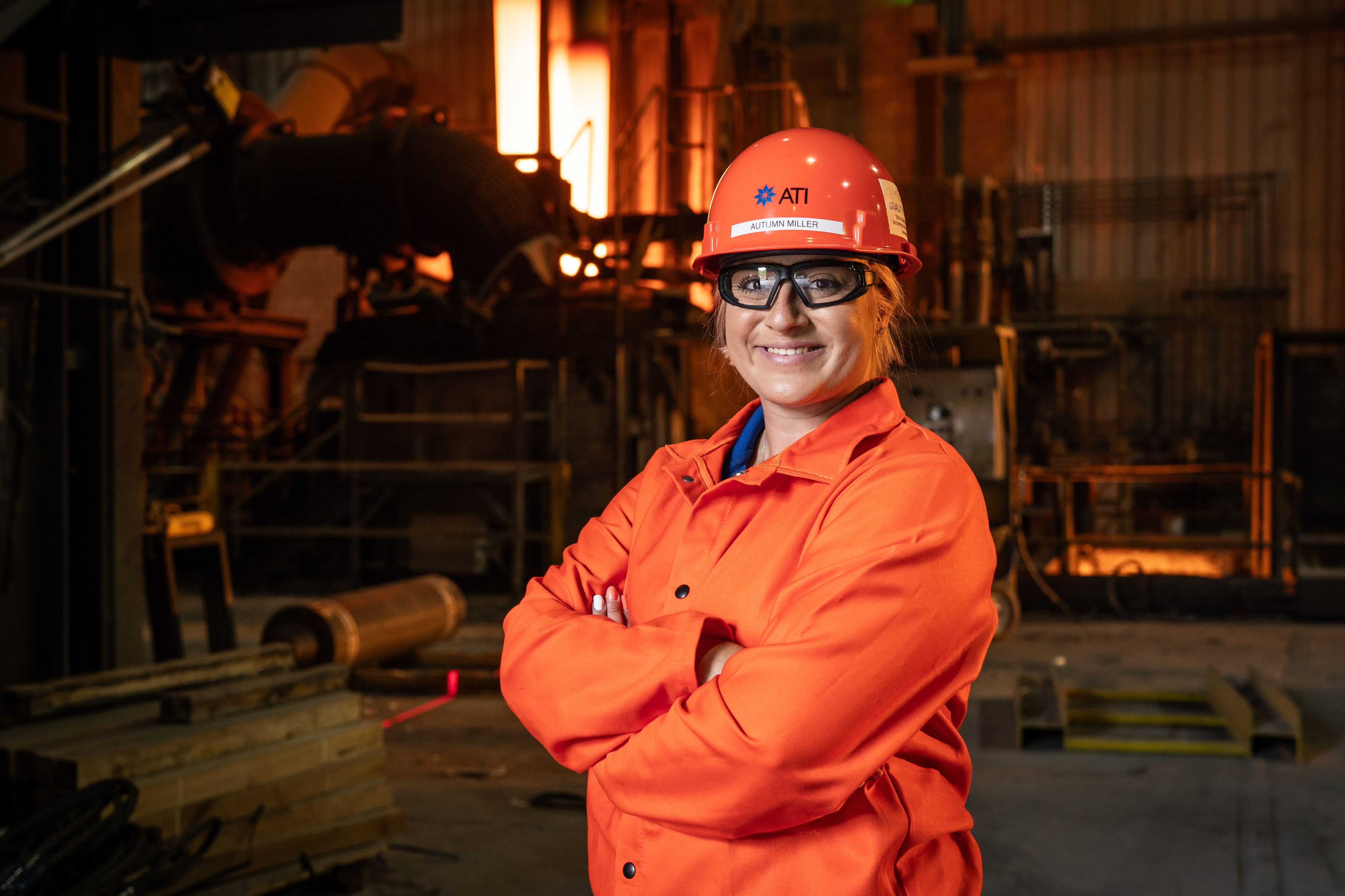
Purity from the Start
The performance of an advanced alloy begins in the melt. ATI controls chemistry, cleanliness and consistency from the start, producing difficult-to-make materials at the quality and scale required for the world's most demanding applications.
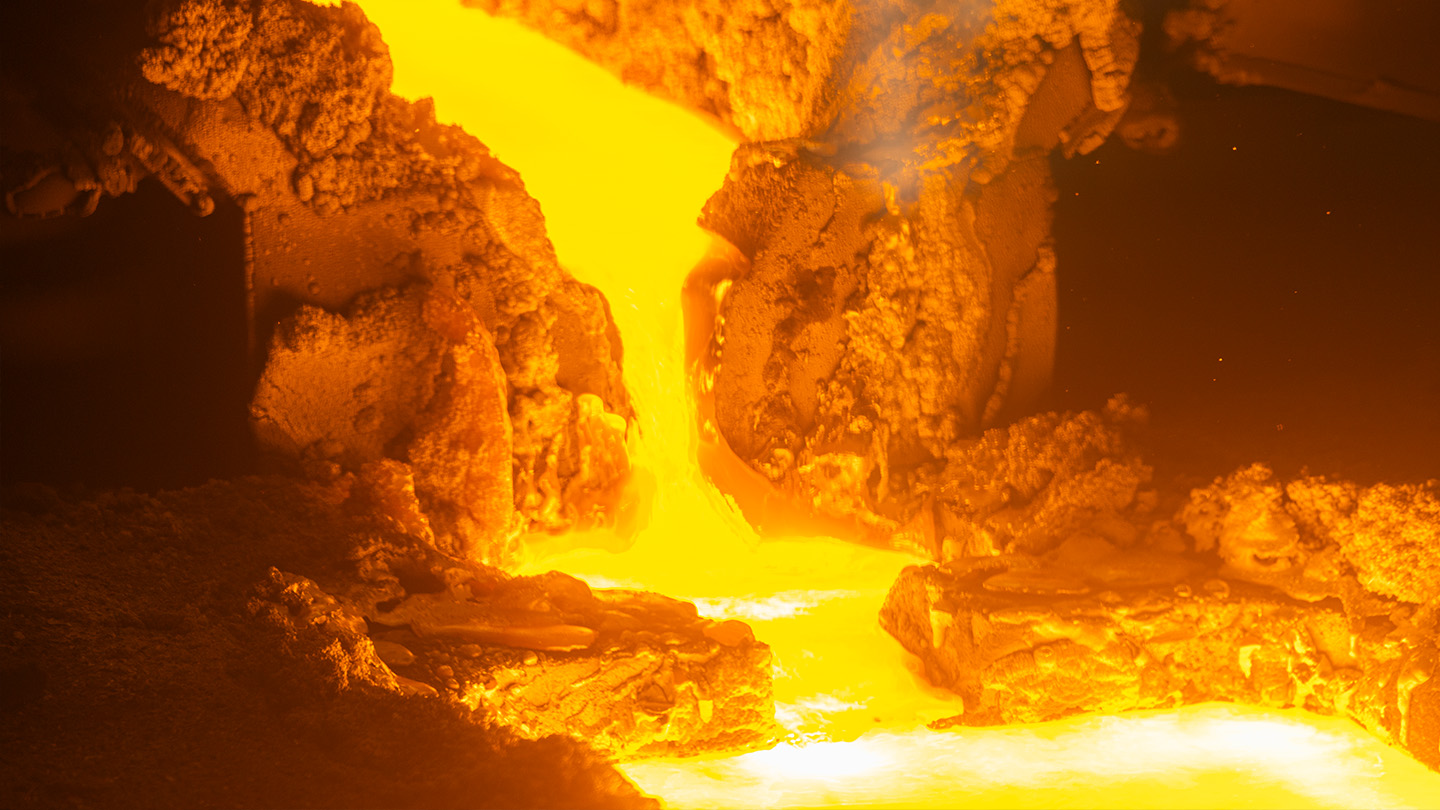
Pure Melt
For the most demanding applications, microscopic differences matter. ATI combines advanced melt technologies, process controls and inspection to produce exceptionally clean, consistent materials, not just in the lab, but at the scale our customers require.
Hard to Melt Is What We Do.
ATI materials scientists work from composition through pilot-scale melting, testing, scale-up and qualification, developing new alloys and processes, then proving they can be produced consistently at commercial scale. ATI's development process explicitly progresses from discovery and feasibility through validation, qualification and production.
We Don't Just Melt Alloys. We Advance Them.
ATI materials scientists work from composition through pilot-scale melting, testing, scale-up and qualification, developing new alloys and processes, then proving they can be produced consistently at commercial scale. ATI's development process explicitly progresses from discovery and feasibility through validation, qualification and production.
100M pounds and counting
Developing an extraordinary alloy is one thing. Producing it reliably in the quantities customers need is another. ATI combines materials expertise with significant melt capacity to take advanced alloys from development to full-scale production.
The Right Melt for the Material
There is no single way to make an advanced alloy. Chemistry, application and required quality determine how it must be melted. ATI brings together a broad range of primary melting and remelting technologies to control chemistry, remove impurities, improve homogeneity and produce the material quality each application demands.
Across nickel-based superalloys, titanium alloys, specialty steels, cobalt-based superalloys and other specialized materials, our melt capabilities range from primary melting through multiple remelt routes-giving ATI the flexibility to engineer the process around the material, rather than the material around the process.
Create the Chemistry
Where Elements Become Alloys
ATI's primary melting technologies establish the chemistry, purity and composition that determine how an advanced material will perform.
Key Capabilities
- Vacuum Induction Melting (VIM)
- Plasma Arc Melting (PAM)
- Electron Beam Melting (EB)
- AOD
Refine the Material
Take Quality Even Further
Remelting technologies improve homogeneity and material quality, producing the consistency required for the most demanding applications.
Key Capabilities
- Vacuum Arc Remelting (VAR)
- Electroslag Remelting (ESR)
Create Specialized Feedstocks
Turn Advanced Alloys Into Advanced Possibilities.
ATI transforms carefully controlled alloys into specialized feedstocks, including high-quality metal powders engineered for powder metallurgy and additive manufacturing.
Key Capabilities
- Electrode Induction Gas Atomization (EIGA)
- Other Powder-Melt Processes
Meet Our Materials
Developing new alloys to solve tomorrow's challenges.

Titanium alloys
Developed for better ballistic protection, extreme strength, high heat, and improved durability. Provides improved protection and mobility for ground vehicles.
ATI Titan 23™, compared to legacy ATI 10-2-3
- Significantly increased room temp strength… 200ksi+ achievable
- Excellent short-term high temperature strength
- Significantly increased medium temperature strength (up to 800°F)
- Increased fatigue life
- Thick section hardenability never seen before in a titanium alloy
- Improved manufacturability
- For additive manufacturing, 2-3X less distortion than Ti 64, providing superior build quality and speed; improved microstructure and higher tensile properties than Ti-64.
ATI Titan 27™, compared to legacy ATI 6-4R
- Unlike other commercial high-strength Ti alloys, Titan 27 (and ATI 425) can deform when α is loaded in hard directions with a unique combination of slip and twinning deformation mechanisms across phase boundaries. More homogeneous deformation distribution; rotates hard orientation to
- Improved cold workability enabling continuous rolling and coil production
- Increased room temperature strength, ballistic resistance, and fatigue life
- Improved gauge control and repeatability
- Significantly reduced lead times when compared to Ti-6-4 sheet product
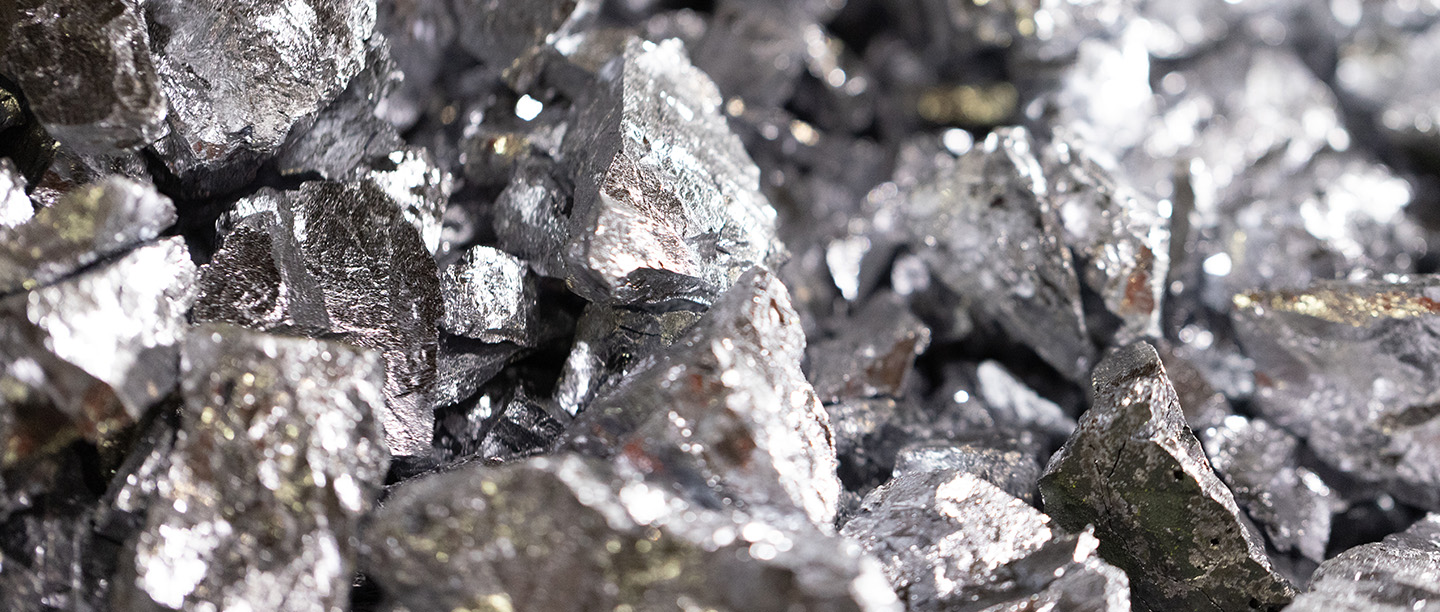
Nickel-Based Alloys and Superalloys
Engineered for extreme thermal strength and creep resistance. Designed for non-rotating engine components, high-temp sheet and plate, and additive manufacturing.
ATI Aero100™
- High strength Ni-Co-Fe alloy
- Unmatched combination of tensile strength, fracture toughness and fatigue life performance
ATI S465™
- Martensitic, age-hardenable, double-vacuum melted stainless steel
- High tensile strength while maintaining good toughness
- Resistance to stress corrosion cracking
- Combination of strength, toughness and corrosion resistance not achievable by other precipitation hardened high-strength stainless steels such as 13-8Mo or 17-4.
Watch our video: "The purest melt" from Brand Experience or Currently linked video "Rolling" From YouTube