
Nickel Superalloys
As temperatures, forces and operating demands rise beyond the limits of conventional metals, nickel superalloys keep performing. Engineered to retain strength under extreme heat, stress and corrosive environments, they're essential to some of the world's most demanding machines.
ATI operates at the leading edge of nickel metallurgy - developing and producing advanced cast-and-wrought and powder superalloys for jet engines, defense, specialty energy and space.
Learn More About Nickel Superalloys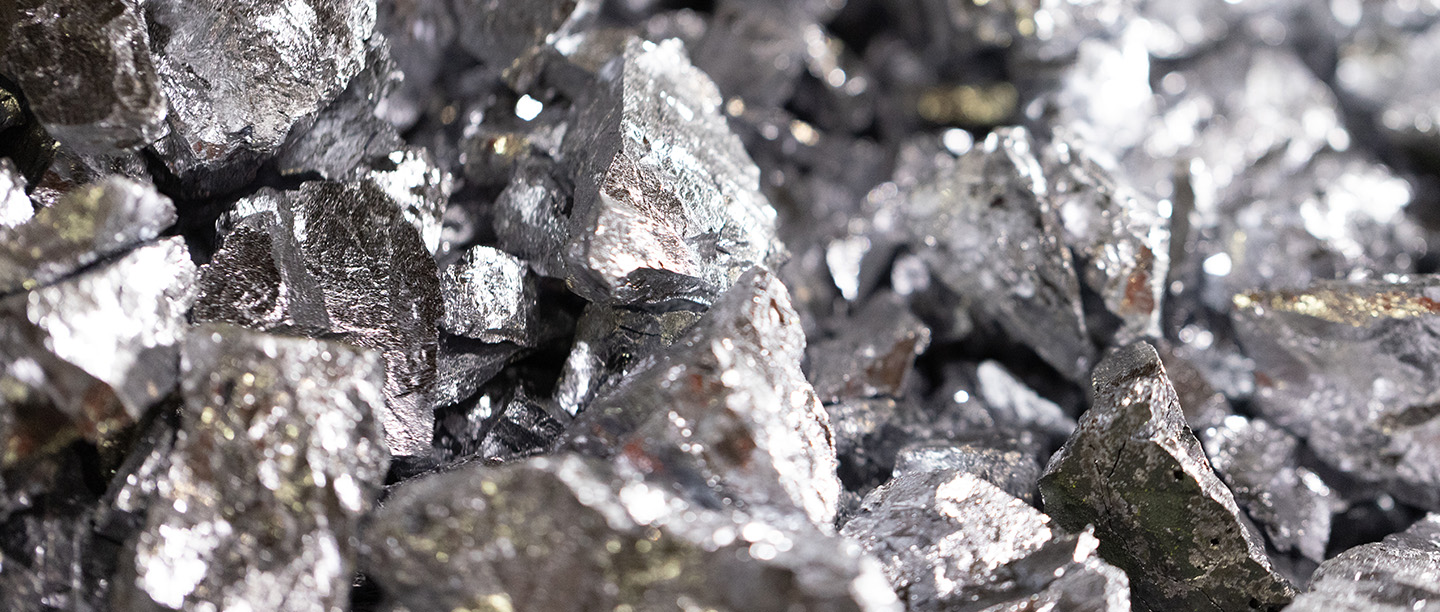
Nickel Superalloys
ATI 718Plus® alloy is a precipitation hardened nickel-base superalloy that exhibits a combination of superior high temperature properties and good fabricability. This alloy is designed to have the high temperature capability and thermal stability of Waspaloy* alloy while retaining the processing characteristics of 718 alloy 2,3. It is produced by double vacuum melting (VIM/VAR) or triple melting (VIM/ESR/VAR), depending on the application. The VIM/VAR process ensures excellent micro-cleanliness and tight compositional control. Triple melting further minimizes macrosegregation, increases microcleanliness, and is preferred for premium quality jet engine rotating components. 718Plus alloy provides a nominal 100 F° (55 C°) operating temperature advantage over 718 alloy and has higher strength, superior formability, better wear resistance, and resistance to weld cracking advantages over Waspaloy and other, higher temperature nickel-base alloys4 . Since 718Plus alloy has a lower intrinsic raw material cost than Waspaloy alloy, and also has improved hot workability with resulting higher material yield, lower finished part costs can be achieved. 718Plus alloy is available in all product forms including: ingot, billet, forged round and rectangular bar, hot-rolled shapes and rectangles, round bar, rod, wire, plate, sheet, strip, and castings.
ATI 22™ alloy is a Ni-Cr-Mo alloy that provides outstanding resistance to pitting, crevice corrosion, intergranular attack, and stress corrosion cracking. The combination of Cr, Ni, Mo, and W provides excellent resistance to a broad range of both oxidizing and reducing environments. ATI’s plate mill has been producing this alloy since 1987. The alloy is used in a wide range of applications including fluegas desulfurization systems, bleaching processes in pulp-and-paper plants, waste incinerators, sour gas service, chemical processing plants, pharmaceutical plants, and radioactive waste storage. The ATI 22™ alloy possesses high strength, good ductility, excellent welding and forming characteristics. The UNS N06022 alloy has been incorporated in ASTM and ASME specifications and is available in a wide range of product forms such as plate, sheet, strip, tube, pipe, bar, billet, and forgings.
ATI 59™ alloy is a nickel-chromium-molybdenum alloy with excellent corrosion resistance and high mechanical strength. The alloy has excellent resistance to both oxidizing and reducing media, and possesses superior resistance to chloride pitting and stress corrosion cracking. The alloy is widely used in the most severe environments. Some applications include: flue gas scrubber components, bleach plant and digester components for the pulp and paper industry, sour gas handling equipment, sulfuric acid coolers, waste incinerators, and seawater equipment.
The ATI 75™ alloy (UNS N06075) is a nickel-chromium alloy with controlled additions of titanium and carbon, which derives its high temperature strength essentially from solid solution strengthening.
This alloy is used in applications requiring oxidation and scaling resistance combined with moderate strength at high operating temperatures. Some typical applications include components for industrial and aircraft gas turbines (e.g., casings, combustion chambers, and ducting), and structural components for industrial furnaces.
ATI 80 A™ Alloy is nominally an 80% nickel - 20% chromium alloy which is strengthened by precipitation hardening through the addition of titanium and aluminum. It was introduced in England over 40 years ago, and was the forerunner of nickel-based, precipitation hardening superalloys for use in jet engines. The alloy possesses good creep-rupture properties combined with very good oxidation resistance and satisfactory high temperature fatigue characteristics. ATI 80 A™ Alloy is generally used for high strength applications up to 1,400°F (760°C), but may be used as high as 1,550°F (843°C) for short duration service. ATI employs vacuum induction melting and vacuum arc remelting to produce this alloy. Major applications are turbine blading for jet engines and stationary gas turbines, high temperature bolting, and other hot components and hardware in gas turbines.
ATI 200 alloy (UNS Designation N02200) and ATI 201 alloy (UNS Designation N02201) are wrought commercially pure nickel. The alloys differ only in the maximum carbon level allowed by specification, 0.15 percent maximum for ATI 200 alloy and 0.02 percent maximum for ATI 201 alloy. Either alloy provides highly ductile mechanical properties across a wide temperature range. Either alloy provides corrosion resistance in neutral to moderately reducing environments. In the annealed condition, either alloy possesses the approximate strength of mild steel. As-rolled material is sometimes furnished to provide higher strength levels.
ATI 200 alloy (UNS Designation N02200) and ATI 201 alloy (UNS Designation N02201) are wrought commercially pure nickel. The alloys differ only in the maximum carbon level allowed by specification, 0.15 percent maximum for ATI 200 alloy and 0.02 percent maximum for ATI 201 alloy. Either alloy provides highly ductile mechanical properties across a wide temperature range. Either alloy provides corrosion resistance in neutral to moderately reducing environments. In the annealed condition, either alloy possesses the approximate strength of mild steel. As-rolled material is sometimes furnished to provide higher strength levels.
ATI 276™ alloy (UNS Designation N10276) is a nickel-molybdenum-chromium-iron-tungsten alloy which is among the most corrosion resistant of alloys currently available. The ATI 276 alloy is widely used in the severest environments encountered in the chemical and petrochemical processing, flue gas desulfurization, pulp and paper and other specialized fields. Design of the alloy allows a high level of corrosion resistance to be retained even in the welded condition. ATI 276™ alloy also has good high temperature strength and moderate oxidation resistance although the alloy will eventually form embrittling high temperature precipitates. ATI 276™ alloy has been available for several years and has been used in ASME Boiler and Pressure Vessel related construction. The alloy is covered in ASME Section VIII Divisions 1 and 2, in numerous product forms.
ATI 400™ alloy (UNS N04400) is a ductile nickel-copper alloy with resistance to a variety of corrosive conditions. The alloy is most frequently applied in a range of environments ranging from mildly oxidizing through neutral and to moderately reducing conditions. An additional application area of the material is in marine environments and other nonoxidizing chloride solutions. The alloy has a long history of use as a corrosion resistant material, dating back to the early twentieth century when it was developed as an attempt to use a high copper content nickel ore. The nickel and copper contents of the ore were in the approximate ratio which is now formally specified for the alloy. As with commercially pure nickel, the ATI 400™ alloy is low in strength in the annealed condition. For this reason, a variety of tempers are used which have the effect of increasing the strength level of the material.
Lorem ipsum dolor sit amet consectetur. Nulla semper vel ac dictum interdum id egestas fermentum habitasse.
ATI 600™ alloy (UNS Designation N06600) is a nickel-chromium alloy designed for use from cryogenic to elevated temperatures in the range of 2000°F (1093°C). ATI 600™ alloy is non-magnetic and readily weldable. The alloy is used in a variety of corrosion resistant applications. The high nickel content of the alloy provides a level of resistance to reducing environments, while the chromium content of the material provides resistance to weaker oxidizing environments. The high nickel content of the material provides exceptional resistance to chloride stress corrosion cracking. The forming properties of the ATI 600™ alloy are similar to those of stable austenitic stainless steels.
ATI 601™ alloy (UNS Designation N06601) is an austenitic nickel-chromium-iron alloy designed for both heat and corrosion resistance. As compared to ATI 600 alloy (UNS Designation N06600), the ATI 601 alloy has, in addition to increased chromium, an aluminum content which together provide outstanding resistance to oxidation. In addition, ATI 601 alloy has good resistance to environments containing carbon and sulfur and this alloy also resists aqueous corrosion. The ATI 601 alloy is used in aerospace applications, for heat and chemical processing equipment, and in power generation, pollution control and heat treating applications. Forming, machining and welding properties are similar to those of stable austenitic stainless steels.
ATI 617™ alloy (UNS N06617) is a nickel-based superalloy with excellent creep-rupture strength and oxidation resistance at temperatures over 1800F (980C). Its high-temperature strength is realized by solid-solution strengthening from the molybdenum and cobalt additions, while chromium and aluminum additions impart its good cyclic oxidation and carburization resistance. ATI 617™ alloy is resistant to a variety of both reducing and oxidizing media. ATI 617™ alloy is primarily used to manufacture combustion cans, inner housings, ducting, and transition liners for both aerospace and land-based gas turbines. The alloy has lower density than comparable high-temperature, tungstencontaining alloys of similar strength, resulting in an advantageous strength-to-weight ratio. Alloy 617™ is also used in the chemical processing industry and as components in both fossil-fueled and nuclear power-generating plants. It is currently under evaluation for helium-cooled reactor components. Alloy 617 is one of the few materials covered by the ASME Boiler and Pressure Vessel Code with design stresses up to 1800F.
ATI 6230™ alloy is a solid-solution strengthened, Ni-Cr-W-Mo alloy that combines excellent high-temperature strength, resistance to creep rupture, and resistance to corrosion at elevated temperatures. The precipitation of chromium-rich M23C6 carbides enhances the high temperature creep strength of the alloy. ATI 6230™ alloy has good resistance to oxidizing environments up to 2100°F (1149°C) due to its high chromium content and its silicon, manganese, and lanthanum additions. It offers excellent long-term metallurgical stability even after thermal exposure at intermediate temperatures. Additionally, the thermal expansion characteristics are lower than many high-temperature alloys and provides this alloy with resistance to thermal fatigue. Due to high Ni content, this alloy has good resistance to carburizing and nitriding environments.
ATI 625HP™ alloy (UNS N06626) is an austenitic nickel-base superalloy possessing exceptional fatigue resistance. ATI 625HP™ alloy was developed especially for bellows applications. It also has excellent resistance to oxidation and corrosion over a broad range of conditions, including jet engine environments and in many other aerospace and chemical process applications. The alloy has outstanding strength and toughness at temperatures ranging from cryogenic temperatures to 2000°F (1093°C). The ATI 625HP™ alloy is a restricted composition, vacuum melted variant of the widely known alloy 625 (UNS N06625) material. It derives its strength from the solid solution strengthening effects of molybdenum and columbium on the nickel-chromium matrix. These elements also contribute to the alloy's outstanding corrosion resistance. Although the alloy was developed for high temperature strength, it also provides a high level of general corrosion resistance to a wide range of oxidizing and non-oxidizing environments. The levels of chromium and molybdenum provide excellent resistance to chloride ion pitting and the high level of nickel provides resistance to chloride stress corrosion cracking. The material possesses a high degree of formability and shows better weldability than many of the other highly alloyed nickel-base alloys. The alloy is resistant to intergranular corrosion even in the welded condition.
ATI 625™ alloy (UNS N06625) is a high strength nickel-base alloy that combines good strength and toughness with excellent oxidation and corrosion resistance. The addition of molybenum and niobium results in the solid solution strengthening of the alloy and providing the outstanding corrosion resistance. Initially regarded as a purley solid solution strengthened alloy, a low carbon version of the alloy can be age hardened by the precipitation that allows significant strengthening. This is a valuable tool that can be used in heavy sections where cold working is not possible. ATI 625™ alloy is easily welded which permits its use in a wide variety of fabricated products. The alloy is produced by vacuum induction melting followed by electroslag remelting. ATI 625™ alloy is widely used in aerospace for airframe and jet engine applications as well as in the chemical, nuclear, and marine industries because of its combination of high tensile and creep strengths and oxidation and corrosion resistance.
ATI 690™ Alloy Tube Reduced Extrusion (TREX) is available in varying lengths, outer diameter (OD), and wall thickness (WT). This nickel alloy material is manufactured to, and intended to be used in the production of nuclear grade tube meeting the requirements outlined in this specification for ASTM B-163 and EPRI Guidelines for PWR Steam Generator Tubing.
Lorem ipsum dolor sit amet consectetur. Nulla semper vel ac dictum interdum id egestas fermentum habitasse.
ATI 718-HS & 718-DA alloys (UNS N07718) are a family of thermo-mechanically processed materials that give higher mechanical properties to this already versatile alloy. To achieve these higher property levels, very tight controls must be observed over all processing parameters. Although double melt practices (VIM/VAR) are appropriate for many applications, improved cleanliness is achieved in the most critical applications by triple melting (VIM/ESR/VAR). Typical applications are highly stressed components in the compressor and turbine sections of jet engines.
ATI 718-OP Alloy (UNS N07718) is an extremely versatile precipitation-hardening, nickel-based alloy with excellent strength, ductility, and corrosion resistance. These characteristics, combined with good weldability, good formability, and excellent cryogenic properties account for the popularity of this alloy. The main hardening constituent is a niobium containing �, Ni3 (Nb, Al, Ti). The unique welding characteristics of this alloy are attributed to the kinetics of the precipitation reaction. The alloy is produced by vacuum induction melting followed by consumable remelting. Because of its good resistance to corrosion and oxidation in a variety of media, ATI 718-OP alloy is used in a variety of applications in the oil patch and chemical process industries. Some of the applications are valves, packers, fasteners, hangers, blow-out preventers, and well logging casing.
ATI 718™ alloy (N07718) is an austenitic nickel-base superalloy which is used in applications requiring high strength to approximately 1400°F (760°C) and oxidation resistance to approximately 1800°F (982°C). In addition, the alloy exhibits excellent tensile and impact strength even at cryogenic temperatures. High strength at room and elevated temperatures is developed by a precipitation heat treatment at 1325°F (718°C) with cooling and a hold at 1150°F (621°C). The relatively slow response to precipitation hardening permits repair welding of the ATI 718™ alloy even in the aged condition. The ATI 718™ alloy is usually produced by a double melt practice using consumable electrode remelt procedures to provide homogeneity and extremely clean structures.
ATI 720 Alloy is a high-strength, precipitation-hardening, nickel-base alloy that was originally developed as an industrial gas turbine blade alloy. Later, this alloy was used for aircraft engine disks and blades. The alloy is solid solution strengthened by additions of chromium, cobalt, molybdenum and tungsten, while additions of titanium and aluminum provide precipitation strengthening by γ′ (Ni3Ti,Al). The high ϒ′ solvus temperature allows thermomechanical processing to develop very fine grain sizes that can result in superplastic properties. ATI 720 alloy has good oxidation resistance, as well as excellent resistance to sulfide corrosion. It is manufactured by Vacuum Induction Melting (VIM) followed by Vacuum Arc Remelting (VAR), or by triple melting which includes an Electroslag Remelting (ESR) step between the VIM and VAR operations.
Lorem ipsum dolor sit amet consectetur. Nulla semper vel ac dictum interdum id egestas fermentum habitasse.
• Typically used in superelastic nickel titanium alloy medical devices
• Applicable industry standards: ASTM F2063, ASTM F2005, ASTM F2004, ASTM F2082
• Transformation temperature: Austenite finish (Af) temperature range -30°C to 0°C
• (Determined in the fully solution annealed condition by DSC testing)
• Typically used in shape memory Nickel Titanium alloy medical devices
• Applicable industry standards: ASTM F2063, ASTM F2005, ASTM F2004, ASTM F2082
• Transformation temperature: Austenite finish (Af) temperature range 0°C to 30°C
• (Determined in the fully solution annealed condition by DSC testing)
• Typically used in shape memory nickel titanium alloy devices and actuators
• Applicable industry standards: ASTM F2005, ASTM F2004, ASTM F2082
• Transformation temperature: Austenite finish (Af) temperature range 30°C to 75°C
• (Determined in the fully solution annealed condition by DSC testing)
• Typically used in shape memory nickel titanium alloy devices and actuators
• Applicable industry standards: ASTM F2005, ASTM F2004, ASTM F2082
• Transformation temperature: Austenite finish (Af) temperature range 75°C to 120°C
• (Determined in the fully solution annealed condition by DSC testing)
• Typically used in shape memory nickel titanium alloy coupling devices
• Transformation temperature: Martensite start (Ms) temperature range <-100°C
• (Determined in the fully solution annealed condition by CLD testing at 40ksi load)
• Typically used in shape memory nickel titanium alloy coupling devices that need the cryogenic martensite
transformations temperatures but also need room temperature storage capability
• Transformation temperature: Austenite start (As) temperature range >30°C (dependent on composition)
• (Determined in the fully solution annealed condition by CLD testing at 40ksi load)