Fusion
Fusion is moving from physics to power.
As developers work to turn fusion into a commercial source of reliable electricity, they're confronting an entirely new set of materials challenges. ATI is developing the high-purity vanadium capability, alloy expertise and manufacturing processes needed to turn a promising fusion material into something that can eventually be produced at scale.
30+ Years Ahead of the Demand
ATI has been developing vanadium alloys for more than three decades, building materials and processing expertise well before today’s renewed push to commercialize fusion energy. That foundation gives ATI a head start as developers work to define the alloys and manufacturing routes future reactors will require.
Purity Down to the Part Per Million
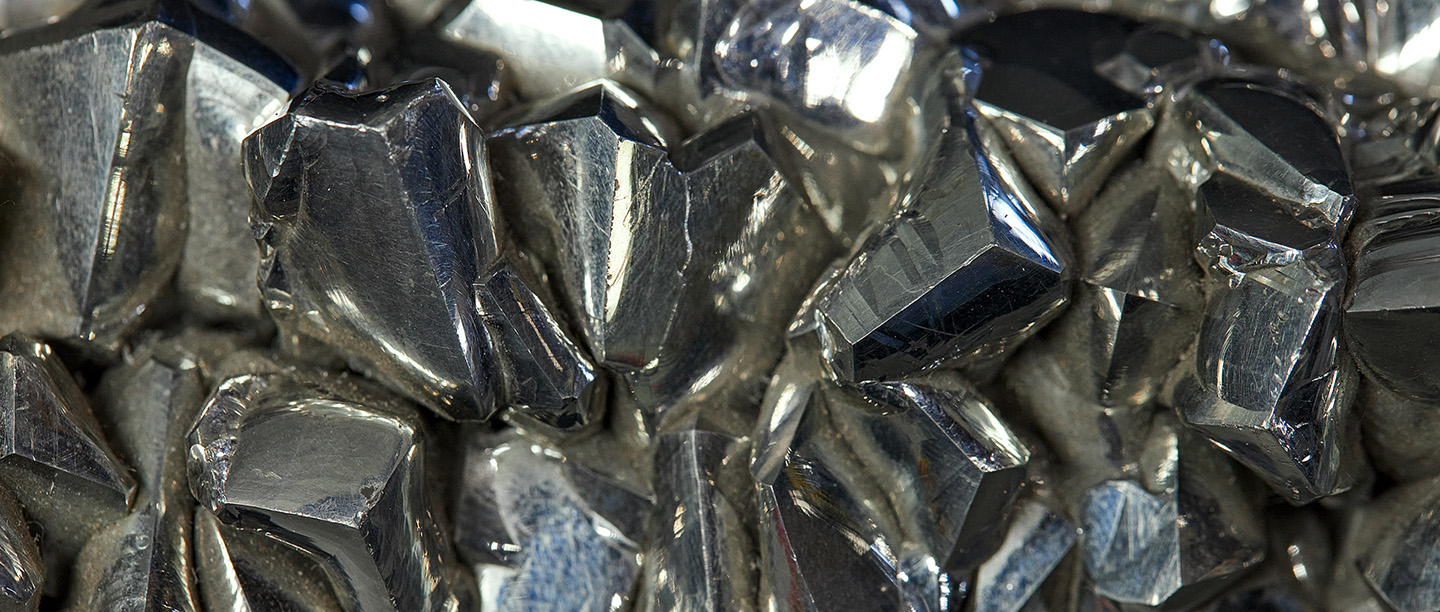
Fusion changes the definition of purity. ATI is developing vanadium with extraordinarily tight chemistry controls, including the ultra-low impurity levels needed to limit unwanted activation under neutron exposure.
More Than Making the Alloy
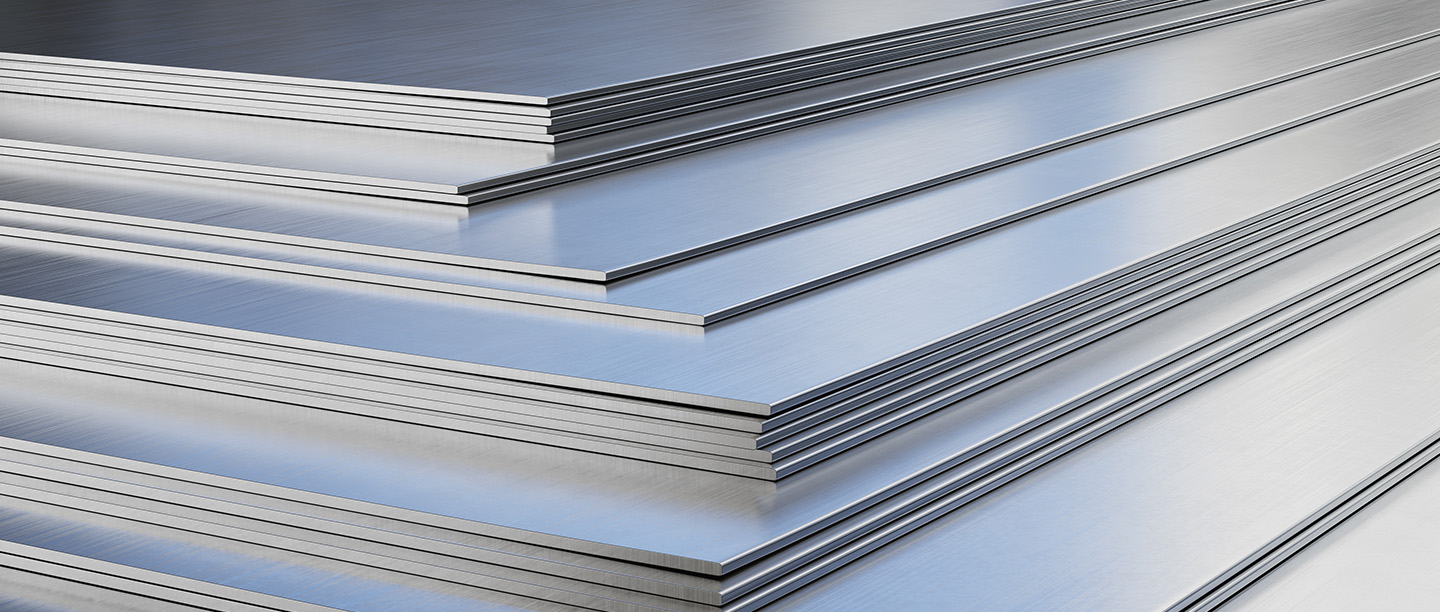
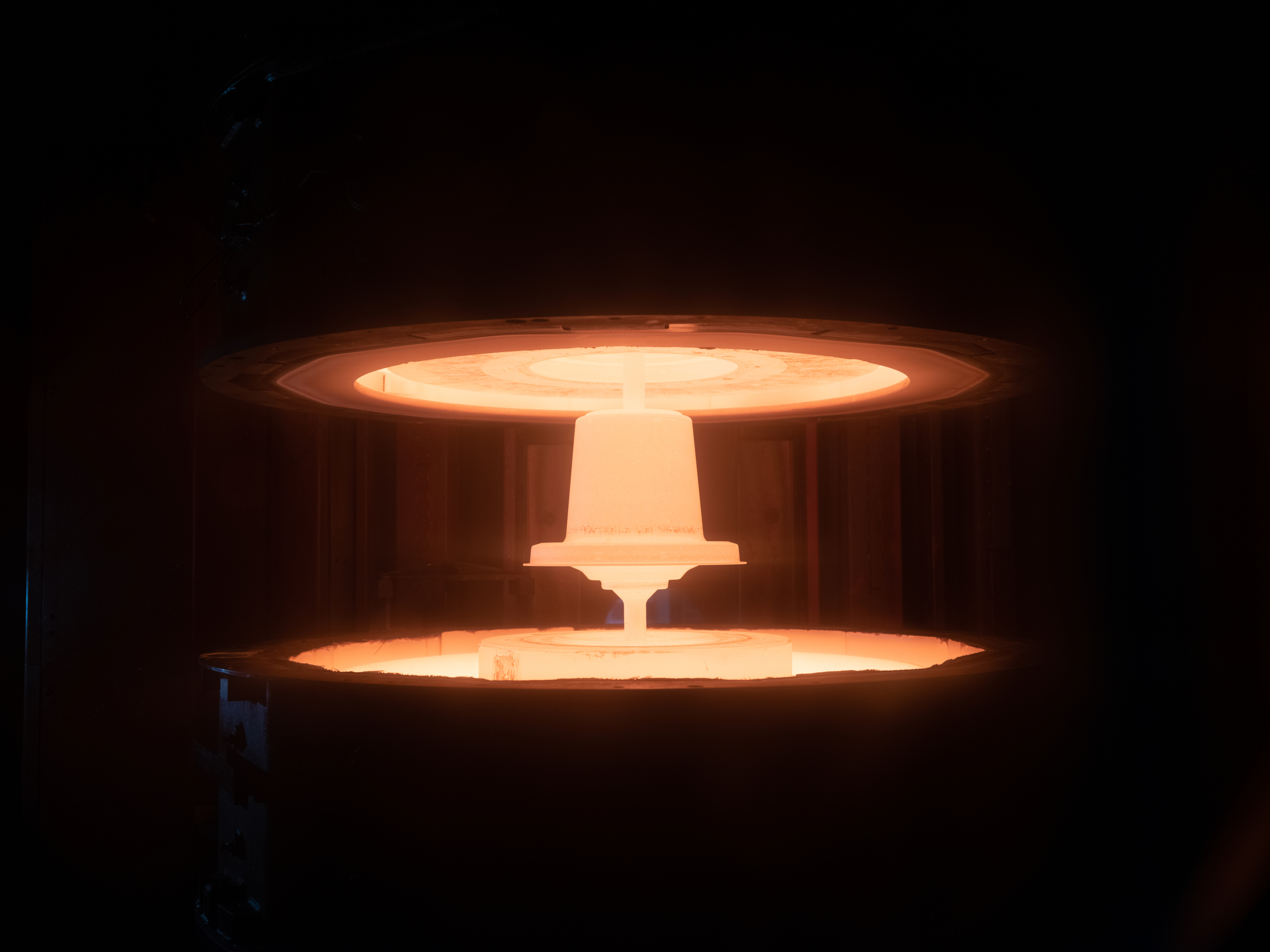
A promising composition only matters if it can be manufactured. ATI is developing the complete processing route for fusion-grade vanadium, from raw-material chemistry and melting through extrusion, hot and cold rolling, and ultimately sheet and plate.
Developing Alongside Fusion
The reactor is evolving. So is the material. ATI is working with fusion developers, national laboratories and research institutions to evaluate compositions, processing methods and product forms. We're building the knowledge needed to move vanadium from development toward commercial scale.
Fusion Blanket
Application | Application | Application
Headline?
The blanket surrounds the fusion plasma just behind the extreme-temperature first wall, absorbing high-energy neutrons and, in some reactor concepts, helping produce the tritium needed to sustain the fusion reaction.
Close to the Plasma. Far From Ordinary.
The blanket must operate next to an extraordinarily energetic plasma while enduring intense neutron exposure, elevated temperatures and aggressive coolant environments. Its materials must retain structural integrity without creating long-lived radioactive byproducts that complicate maintenance and disposal.
Vanadium Built for Fusion
Vanadium-based alloys are being explored for fusion blanket structures because of their high-temperature capability, compatibility with certain molten-salt concepts and potential for low activation under neutron exposure. ATI is developing the extreme-purity vanadium and manufacturing expertise needed to turn those alloy concepts into usable material forms.
Purity Under Neutron Bombardment
Application | Application | Application
Headline?
Fusion changes what “pure” means. Trace elements that are inconsequential in conventional applications can behave very differently when exposed to an intense neutron field.
Parts Per Million Matter
Under neutron irradiation, unwanted elements can transmute into radioactive species. Fusion developers therefore need extraordinary chemistry control - not simply high mechanical performance.
Control What Goes Into the Metal
ATI’s experience in reactive and refractory metals gives us a foundation for developing the ultra-low-impurity processing routes fusion-grade vanadium requires. Internal development discussions identify niobium control below 1 ppm as a target for the vanadium material being evaluated.
Turning Vanadium Into Reactor Material
Application | Application | Application
Headline?
Making a high-purity ingot is only the beginning. A commercial fusion reactor would need large quantities of consistent material in practical forms.
From Grams to Tons
Fusion materials must move beyond laboratory samples into sheet, plate, rod and other forms that can be fabricated, joined, inspected and eventually produced at reactor scale.
Build the Process While We Build the Alloy
ATI is developing not only vanadium compositions but the manufacturing route around them, from melting and extrusion through hot and cold rolling. That combination of materials science and production capability can help bridge the difficult gap between a promising alloy and a scalable industrial material.
Engineering What Comes Next
There Is No Established Fusion Supply Chain Yet.
Different fusion developers are still converging on reactor designs, blanket concepts, coolants and structural materials. Requirements are changing as the technology advances.
We Can Develop Alongside the Reactor.
ATI can work with developers before specifications are fixed - testing alloy compositions, processing routes and product forms while building the manufacturing knowledge required for future scale-up.