Steel isn't one material. Change its chemistry, processing and microstructure, and it can do radically different jobs - from resisting corrosive environments for decades to carrying extreme loads in flight.
ATI has been advancing specialty steels for more than a century. Today, we engineer high-strength and corrosion-resistant steels for applications where ordinary grades reach their limits - and where nickel or titanium may deliver more performance than the application actually needs.
We Make Specialty Steels Extraordinary.
High-Strength Steels
Carry more. Withstand more. Keep performing.
When strength is the requirement, ATI specialty steels use carefully controlled chemistry, heat treatment and processing to deliver mechanical performance far beyond conventional stainless steel.
These are the steels behind demanding aerospace and defense applications such as landing gear and aircraft mechanical components, helicopter rotor-head assemblies, vehicle suspensions, gun systems, projectiles and missile systems.
Engineered for: High Strength | Toughness | Fatigue Resistance | Wear Resistance | Dimensional Stability
Performs in: Aerospace | Defense | Space | Specialty Energy
Corrosion-Resistant Steels
Make the environment give up first.
Where chemicals, saltwater, heat or pressure attack ordinary steel, ATI stainless alloys are engineered to keep resisting.
By tailoring chromium, nickel, molybdenum, nitrogen and other alloying elements, ATI can optimize resistance to rusting, pitting, oxidation and other forms of corrosion while balancing strength, formability and cost.
Engineered for: Corrosion Resistance | Pitting Resistance | Oxidation Resistance | Heat Resistance | Fabricability
Performs in: Specialty Energy | Chemical Processing | Oil & Gas | Aerospace | Defense
We Helped Put Stainless Steel on the Map.
In 1924, ATI predecessor Allegheny Steel & Iron commercialized stainless steel in the United States and won its first stainless steel patent. Its materials went on to appear in landmarks such as New York's Chrysler Building and in automotive applications including the Ford Model A.
From Chemistry to Performance.
Small Changes. Big Differences.
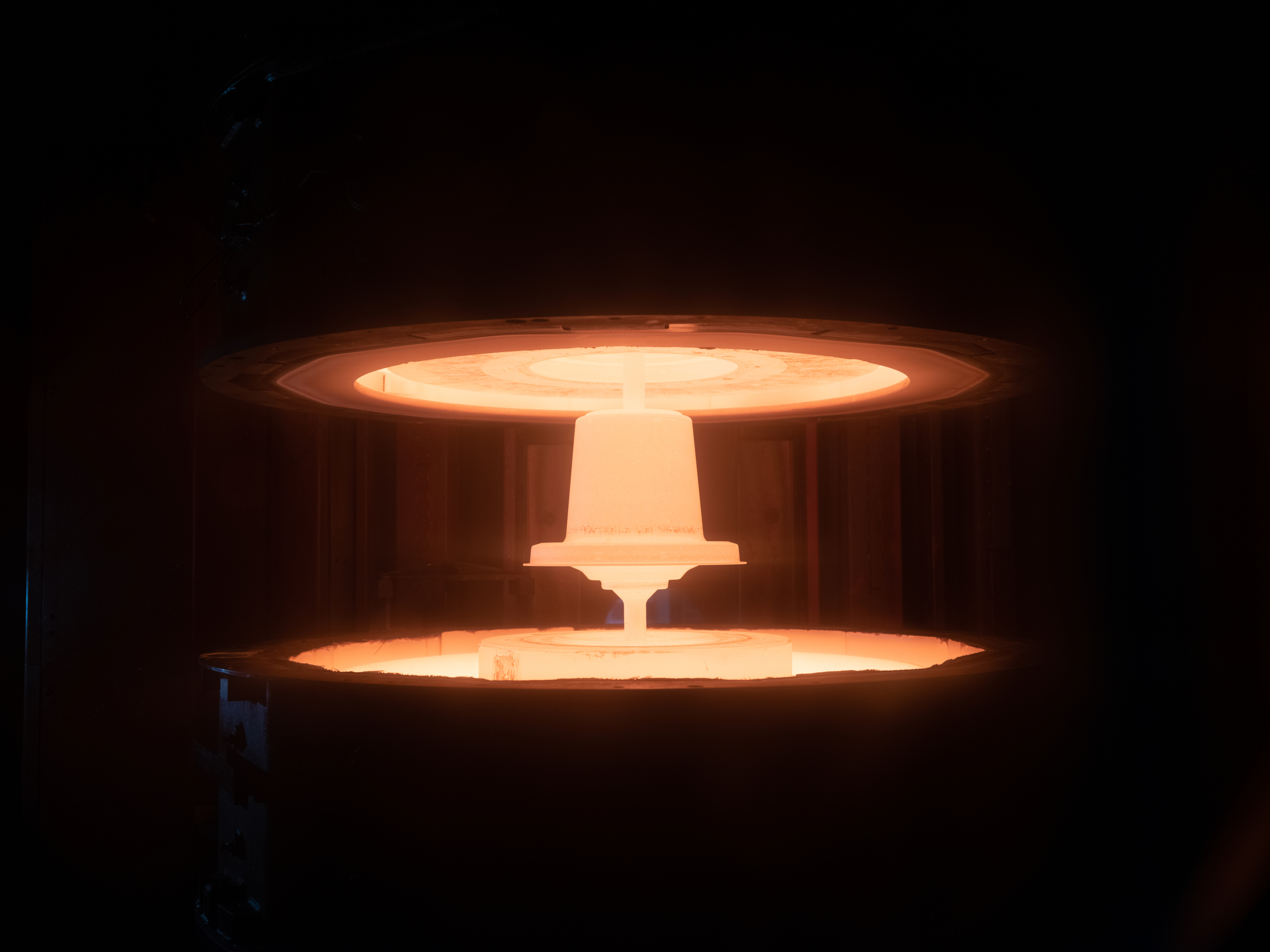
The difference between everyday stainless steel and extraordinary specialty steel comes down to chemistry measured in fractions of a percent-and what happens to that chemistry through melting, rolling and heat treatment. For high-strength steels, that processing can produce enormous changes in mechanical performance, for example achieving 6X the strength of basic 304 stainless steel.
The ATI Specialty Steel Portfolio
High-Strength Steels
ATI 15-5™
A precipitation-hardening stainless steel engineered to combine high strength with toughness and corrosion resistance. That combination makes the family particularly useful where structural performance and environmental durability have to coexist.
- Aerospace Structures
- Mechanical Systems
- Defense Components
Maraging Steels
Maraging steels achieve exceptional strength through a specialized aging treatment rather than relying primarily on carbon for hardening. The result is a combination of very high strength and toughness for highly loaded components.
- Aerospace Mechanical Systems
- Helicopter Shafts
- Defense Systems
- High-Load Components
Nonmagnetic & Specialty Steels
Some applications demand something more specific: controlled magnetism, electrical behavior, thermal expansion, wear resistance or a particular combination of mechanical properties. ATI specialty steels can be engineered around those requirements.
Corrosion-Resistant Stainless
Superaustenitic
Higher levels of nickel, chromium, molybdenum and nitrogen push corrosion resistance beyond conventional austenitic stainless steels, particularly in chloride-rich and aggressive environments.
AL-6XN®
A superaustenitic stainless steel designed for exceptional resistance to pitting, crevice corrosion and stress-corrosion cracking while retaining useful strength and fabricability.
- Chemical Processing
- Energy Systems
- Marine Environments
- Process Equipment
Superferritic
AL 29-4C®
A high-chromium, molybdenum-bearing superferritic stainless engineered for demanding heat-transfer and corrosive environments.
- Condenser Tubing
- Heat Exchangers
- Energy Systems
- Corrosive Process Environments
Duplex Stainless
Duplex stainless steels combine austenitic and ferritic microstructures to deliver a useful balance of strength and corrosion resistance-particularly in environments where chloride stress-corrosion cracking is a concern.
- Oil & Gas
- Chemical Processing
- Energy
- Marine Environments
Where Specialty & Stainless Steels Perform
Learn More About Our Materials
Learn more about our materials.
See Specialty & Stainless Steels Data Sheets