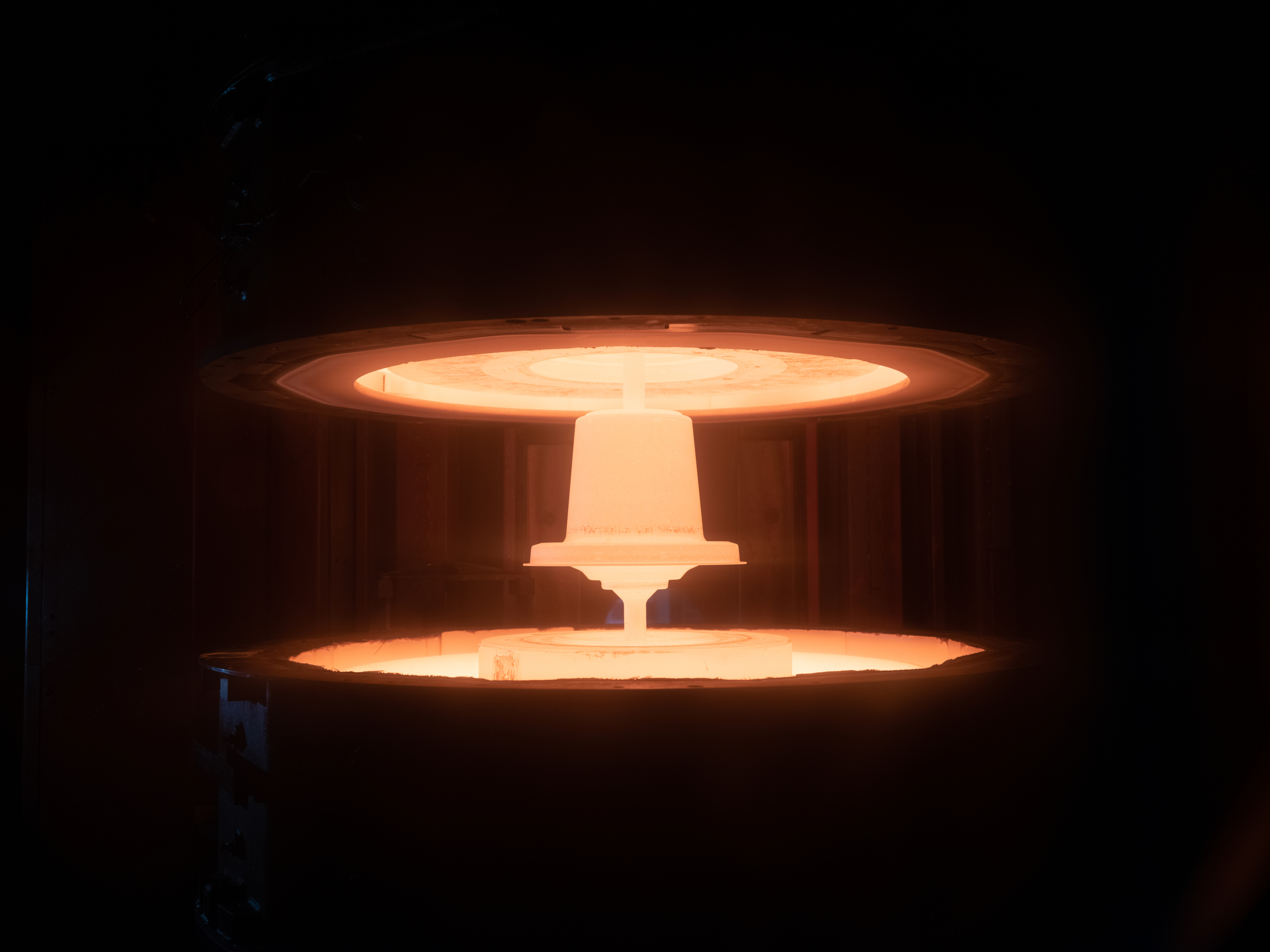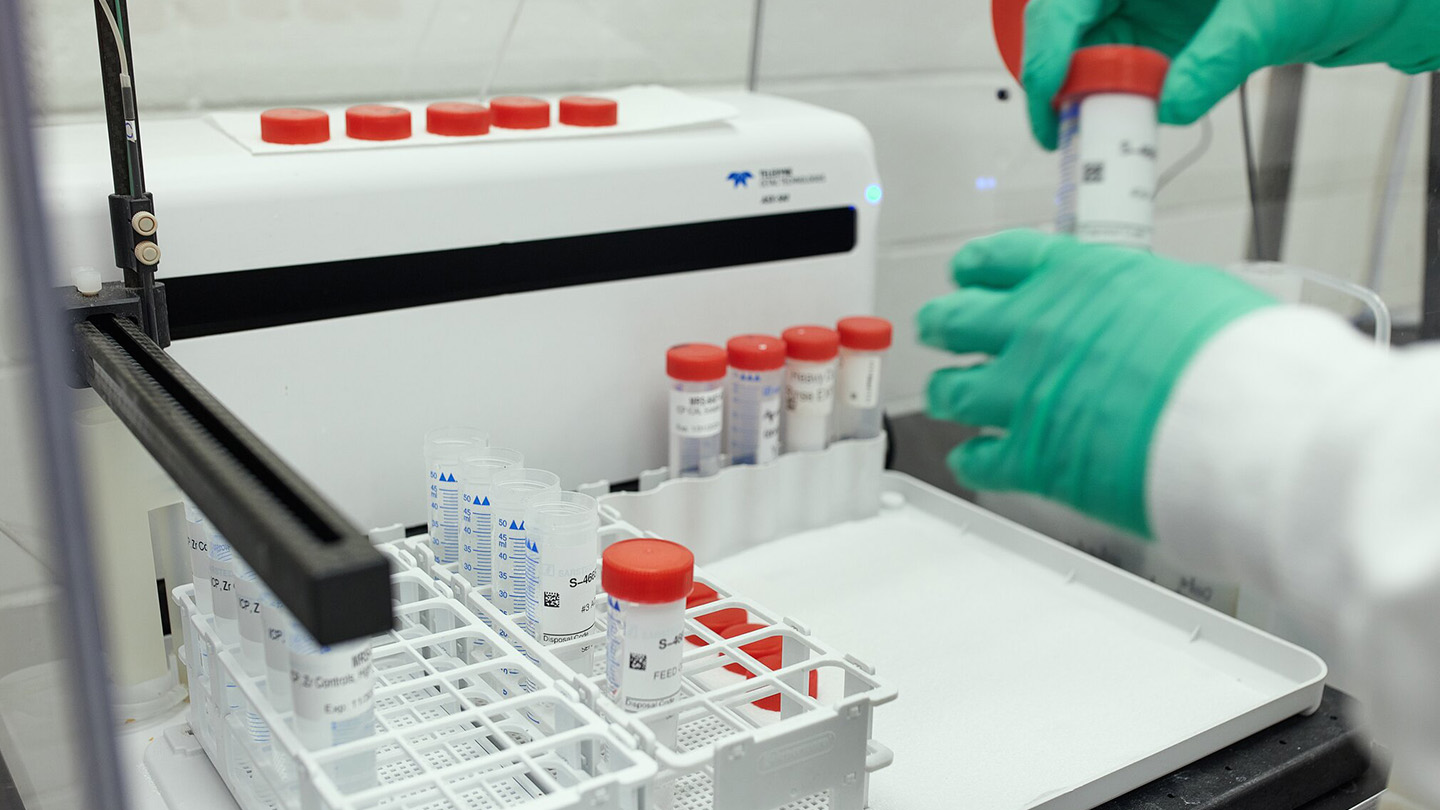
Fusion promises extraordinary energy output - and creates an equally extraordinary materials challenge. Vanadium alloys combine high-temperature strength, heat-transfer capability and radiation tolerance with properties particularly suited to the intense neutron environment inside a fusion reactor.
ATI has produced vanadium before, at pilot-scale for fusion research in the 1990s. Now, we're applying our expertise in refractory metals, high-purity refining, melting and thermomechanical processing to develop the production path fusion could require at scale.
Made for the Fusion Environment
Fusion asks a structural material to do several difficult things at once: operate at elevated temperatures, transfer enormous amounts of heat, withstand neutron bombardment and coexist with the materials used to capture that energy.
Vanadium alloys offer a particularly compelling combination.
Take the Heat
Vanadium alloys retain strength while efficiently moving heat. ATI's development work identifies useful high-temperature properties around 800°C, including both strength and thermal conductivity.
Built for Bombardment
Fusion means a relentless stream of high-energy neutrons. Vanadium alloys offer radiation tolerance and low activation - important attributes for materials operating close to the fusion reaction.
Let the Energy Through
Vanadium is relatively transparent to fusion neutrons, allowing more of their energy to pass into the surrounding blanket rather than being absorbed by the structural material. That can help improve the efficiency of the system.
Compatible by Design
Vanadium is compatible with lithium and lithium-based salts being considered for fusion blankets, where lithium can play a critical role in breeding the tritium fuel required to sustain the reaction.
Fusion Needs More Than an Alloy. It Needs a Supply Chain.
The fusion industry is moving toward its first large-scale devices, but an industrial-scale Western supply chain for structural vanadium has yet to be established. ATI brings something unusual to that challenge: previous vanadium-production experience combined with today's refractory-metal expertise and an integrated path from refining through finished plate.
Purity Comes First
Performance starts by controlling what goes into the metal. ATI's expertise in difficult-to-produce reactive and refractory materials provides the foundation to refine vanadium to the purity demanding applications require.
The proposed production route uses electron-beam refining - leveraging expertise similar to ATI's niobium processing - before alloy melting and downstream conversion.
We've Made It Before
ATI isn't starting from zero. We produced pilot-scale vanadium alloys for fusion research in the 1990s, before the technology needed to make commercial fusion practical had sufficiently advanced.
Today, we're applying that experience to a new generation of fusion-material development.
From Refined Metal to Finished Plate
Producing pure vanadium is only the beginning. ATI's capabilities can connect electron-beam refining with alloy melting, forging, hot rolling, annealing, finishing, inspection and testing - the manufacturing path required to turn an exotic element into an engineered structural material.
Develop It. Then Scale It.
The material and its manufacturing process are still evolving. ATI is using pilot-scale alloy development to establish chemistry, processing, safety controls and manufacturing parameters before moving toward larger-scale production.
In Development: V-4Cr-4Ti
Engineered for Fusion
V-4Cr-4Ti is a leading vanadium alloy being evaluated for fusion structural applications. By combining vanadium with carefully controlled additions of chromium and titanium, the alloy is designed around the unusual combination of temperature, thermal and radiation performance fusion demands.
ATI is redeveloping and scaling the manufacturing path for V-4Cr-4Ti plate - from purified vanadium through melting, forging, rolling and finishing. ATI's development roadmap progresses from pilot-scale plate through replicated heats and ultimately toward rate production.
Fusion Blankets
The blanket surrounds the fusion reaction, capturing energy carried by high-energy neutrons and, in some reactor concepts, helping produce the tritium needed to sustain fusion.
As Close to a Star as Materials Get.
Fusion blanket structures must simultaneously withstand high temperatures, transfer tremendous heat and survive continuous bombardment by high-energy neutrons - all while interacting with the lithium or lithium-based coolants used in some reactor designs.
A Material Made for the Middle of the Action.
Vanadium alloys bring together elevated-temperature strength, high thermal conductivity, radiation tolerance, low activation and compatibility with lithium-based systems. ATI is developing the high-purity material and manufacturing path needed to turn those properties into practical fusion structures.
- High-Purity Vanadium
- V-4Cr-4Ti Development
- EB Refining
- VAR Melting
- Forging
- Plate Rolling
From Laboratory Alloy to Reactor-Scale Material
A brief component function or description goes here.
Fusion Doesn't Need Grams. It Needs an Industry.
The first generations of large-scale fusion devices will require structural materials in quantities far beyond traditional laboratory development. Yet the Western industrial supply chain for high-purity structural vanadium is still emerging. ATI's internal technology work specifically identifies the absence of an industrial-scale supply chain as a key issue facing fusion developers.
Scale Is Part of the Science.
ATI can bring together the disciplines required to move a difficult material from experimental heats toward production: purification, alloy development, melting, forging, rolling, heat treatment, inspection and testing.
ATI's proposed production flow intentionally connects Specialty Alloys & Components' refining and melting expertise with Specialty Rolled Products' plate-processing capabilities.
- Materials Science
- Pilot Development
- Refining
- Melting
- Forging
- Rolling
- Finishing
- Testing
Learn More About Our Materials
Learn more about our materials.
See Vanadium Data Sheets