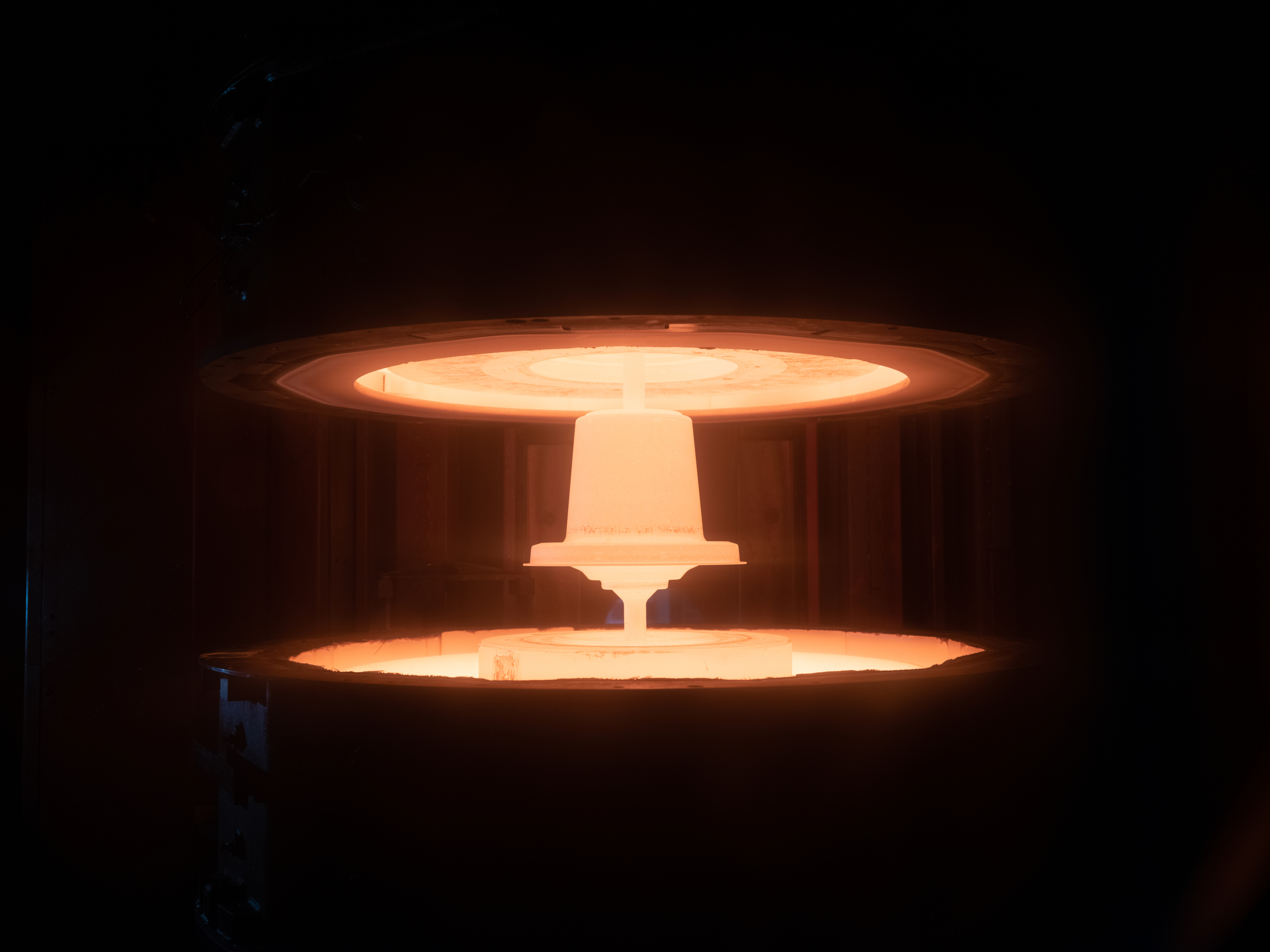
Niobium belongs to an elite class of refractory metals built for temperatures beyond the reach of conventional structural alloys. Its combination of high-temperature capability and relatively favorable density makes it critical in applications where strength, stiffness and dimensional stability have to endure extraordinary heat.
But making a refractory metal useful is the hard part. Niobium is highly sensitive to impurities, difficult to process and, like other refractory metals, requires protection from oxidation in many high-temperature environments. Performance depends not simply on the element, but on purity, alloy design and the manufacturing path used to turn it into an engineered material. That is where ATI stands apart.
Built Beyond the Limits of Conventional Alloys.
As operating temperature rises, the materials menu gets dramatically shorter. Refractory metals such as niobium occupy the high-temperature regime beyond titanium, nickel and cobalt alloys, making them candidates for the most thermally demanding aerospace, defense and energy applications.
The engineering challenge is balancing properties that often work against each other: high-temperature strength, creep resistance, ductility, environmental resistance, density and manufacturability. ATI approaches niobium as a materials system -- not simply a chemistry -- combining alloy design with the processing route needed to make the material usable.
Extreme material. Extraordinary control.
ATI is one of only a handful of producers with the chemical and metallurgical capabilities to take refractory metals from near the raw-material source through purification, melting and downstream processing. That integration allows us to achieve exceptional purity at production scale and control the material through the steps that ultimately determine performance.
Niobium's sensitivity to interstitial elements makes tight chemistry control essential. ATI's integrated process combines chemical purification with electron-beam refining and specialized downstream processing - then transforms the material into the forms customers actually need.
Purity at Production Scale.
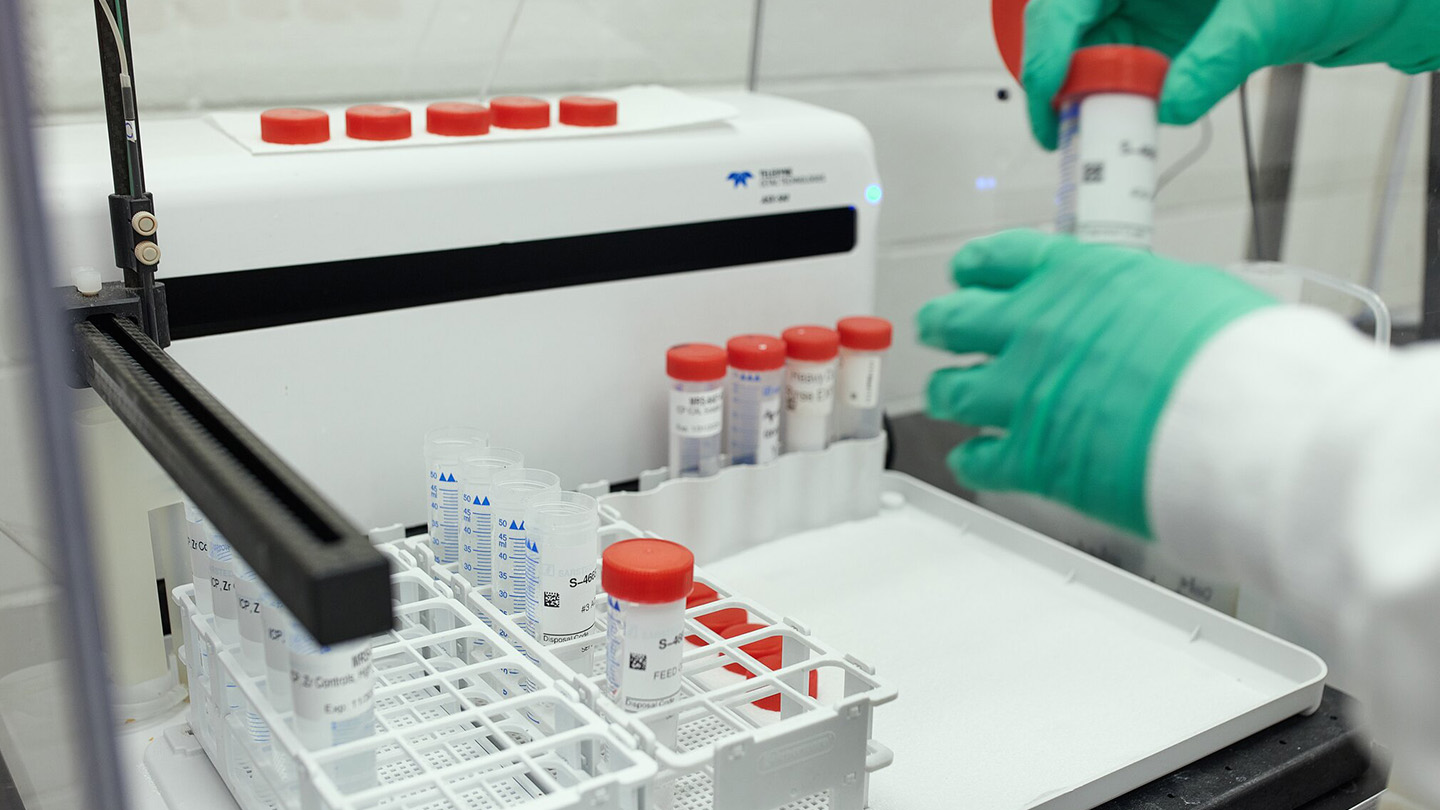
For refractory metals, small amounts of oxygen, nitrogen, carbon and other interstitial elements can have an outsized effect on performance. ATI combines chemical purification with specialized melting and processing expertise to achieve levels of purity normally associated with laboratory-scale production - at commercial scale.
Integrated Where it Matters.
ATI controls an unusually broad portion of the niobium value chain. We chemically process and purify primary materials, then melt and refine, forge, roll, extrude, machine and produce forms ranging from sheet and plate to billet, bar, rod, wire, tube and metal powder.
ATI also produces the largest-diameter pure niobium ingots in the world and is the only fully integrated producer of both niobium and hafnium.
Decades Ahead of the Temperature Curve.
ATI's refractory-alloy expertise stretches back to the original space race. Today, that same materials-science foundation supports space propulsion, missile and hypersonic systems while our researchers continue developing the next generation of niobium-based materials for even higher-temperature applications.
C-103: Proven in the Heat
From the space race to the new space race.
ATI C-103™
A niobium-hafnium-titanium refractory alloy, C-103 has been used for generations in propulsion applications where extraordinary heat demands a material capable of retaining its shape and strength. ATI's heritage with the alloy stretches back to the lunar era; today, its applications extend into modern space propulsion and emerging defense systems.
C-103: Now Made for Additive.
Additive manufacturing opens another path for a material traditionally difficult and costly to machine. ATI combines refractory-metals expertise with advanced powder and additive manufacturing capabilities to produce complex C-103 components with fewer manufacturing steps, reduced material waste and greater design freedom.
ATI C-103 operates in propulsion environments around 2,400°F, maintaining the shape, strength and integrity required during critical phases of flight.
Where Niobium Perform
Learn More About Our Materials
Learn more about our materials.
See Niobium Data Sheets