Aerospace Structures
Every pound earns its place.
Aircraft structures demand materials that deliver exceptional strength without unnecessary weight. ATI produces advanced titanium, nickel and specialty alloys engineered for critical structural applications - helping aircraft fly lighter, longer and more efficiently.
Melt: Quality Starts at the Source
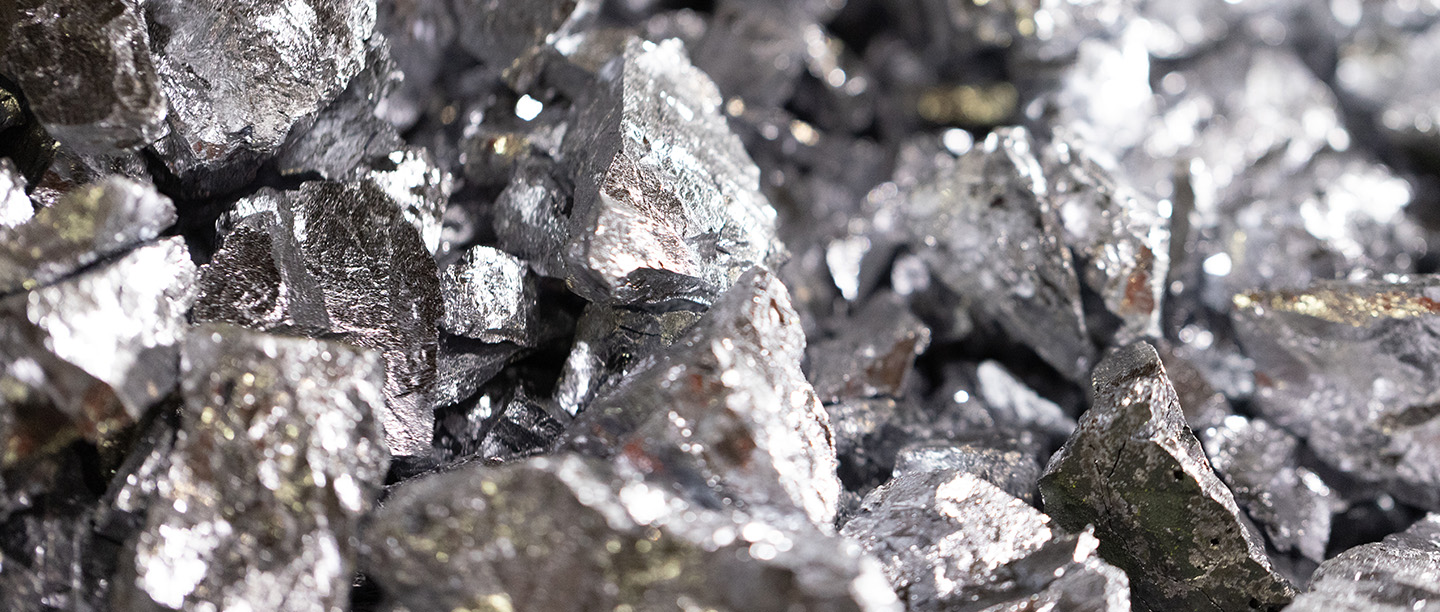
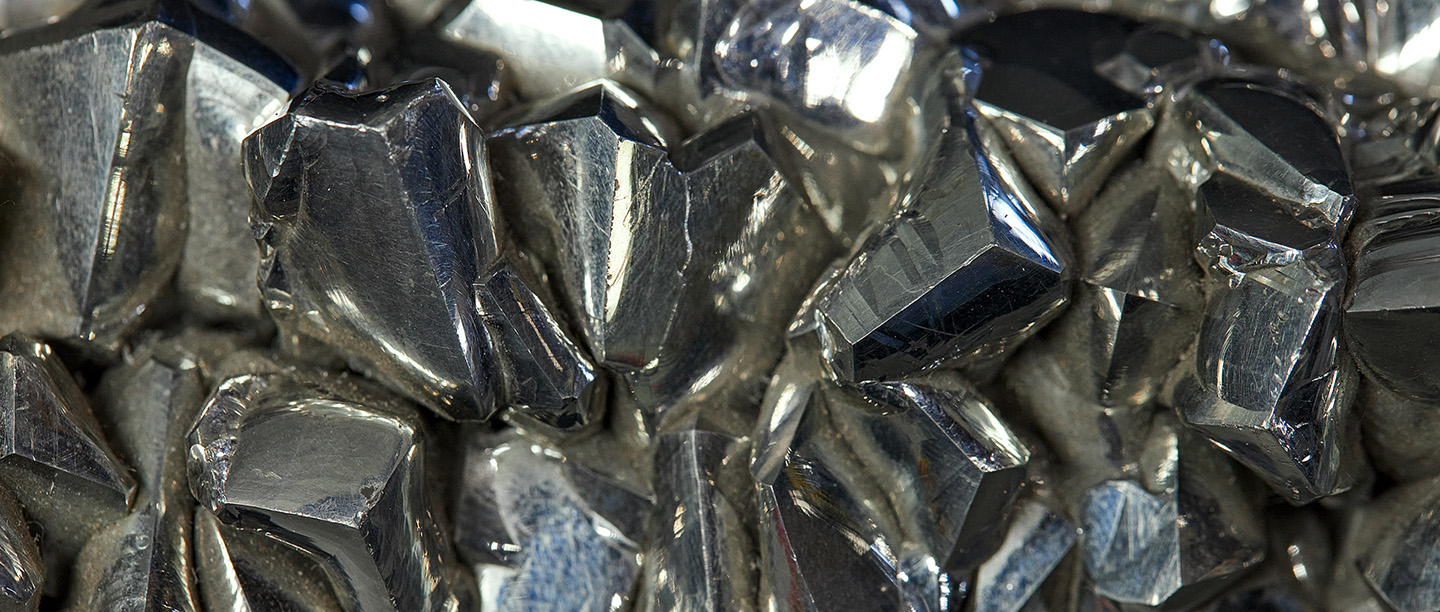
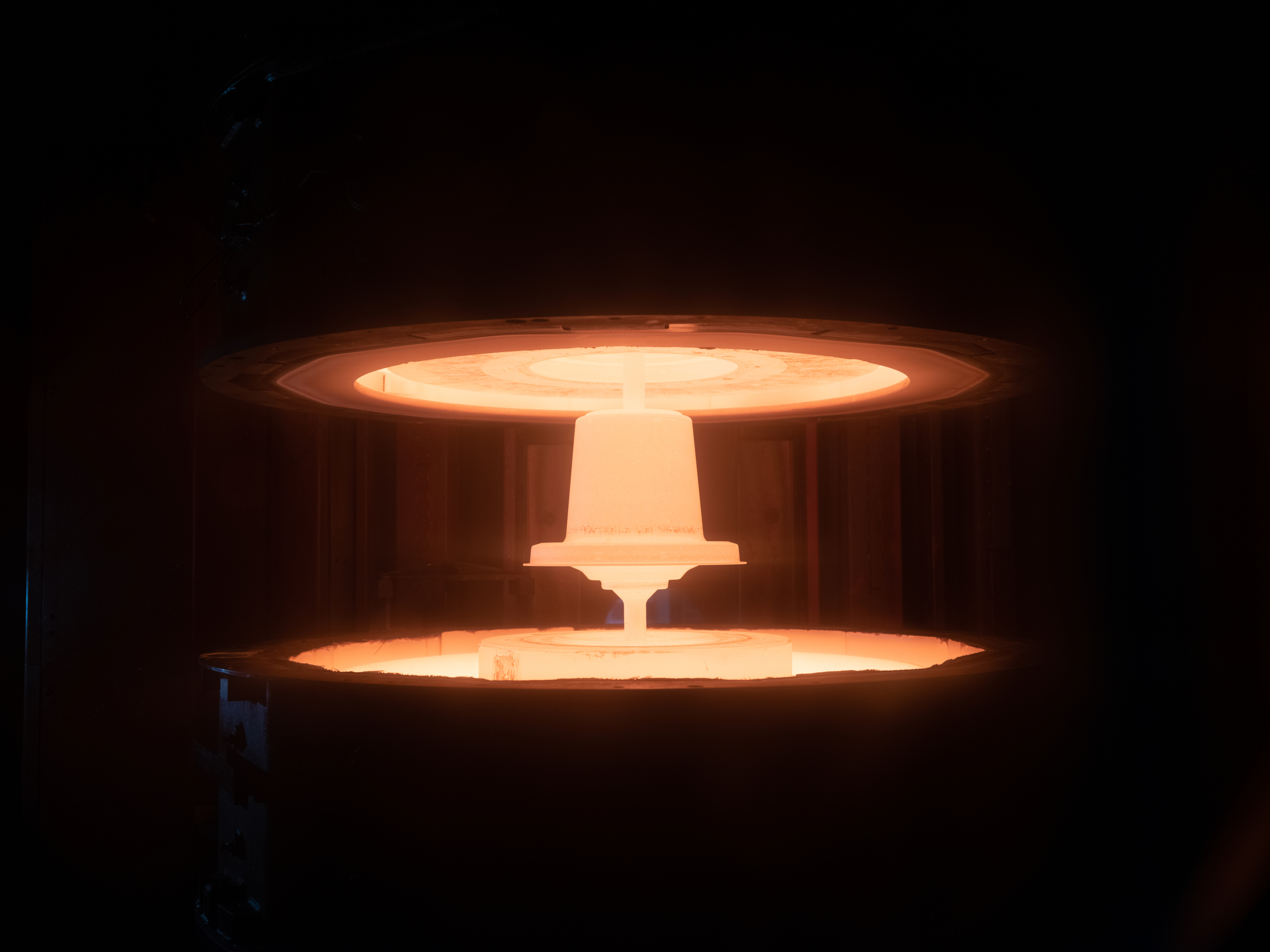
ATI produces premium-quality titanium using multiple melt routes, including plasma arc melting, electron beam cold-hearth melting, vacuum induction melting, and vacuum arc remelting. That control at the front end gives us the chemistry, cleanliness and consistency required for critical aerospace structures.
Rolling: Go Thin. Go Big.
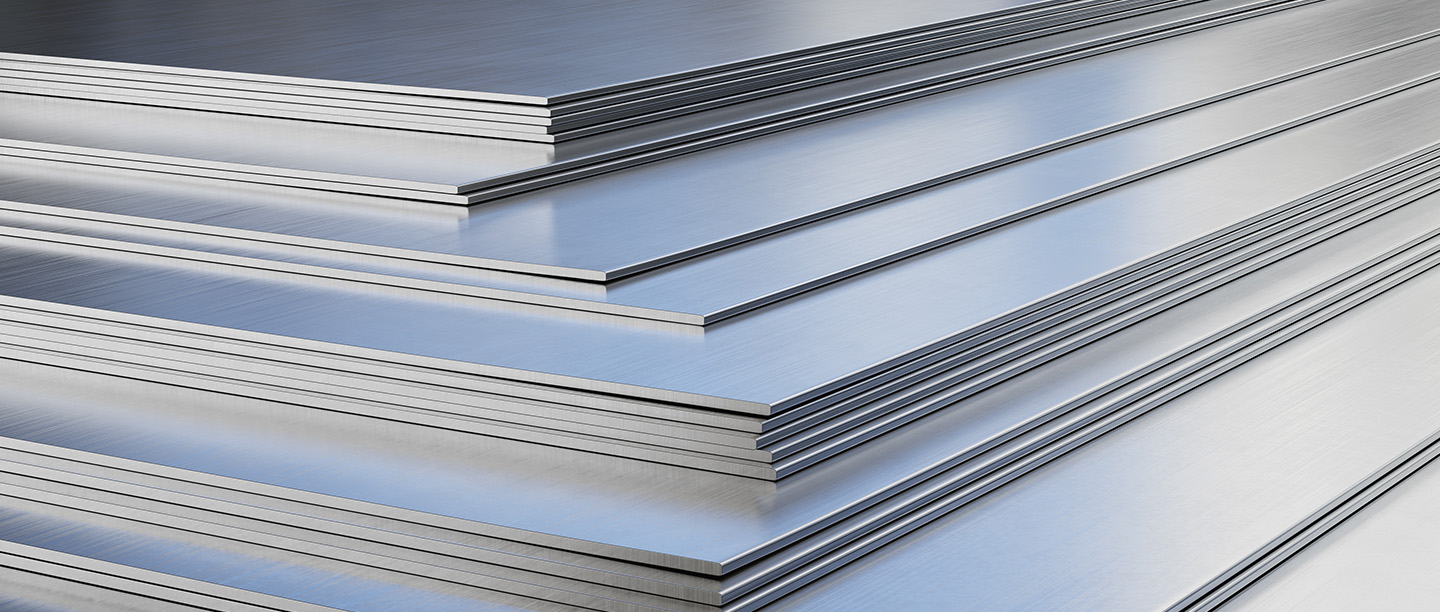
ATI turns titanium plate into pack-rolled sheet as thin as 0.020 inches and up to 25 feet long, with high surface quality for demanding aerostructure applications. With our new capability in Pageland, SC, ATI produces titanium alloy sheet wider and longer than anyone in the industry.
Forging: Built to carry the load
ATI produces high-strength structural forgings for some of the aircraft’s most heavily loaded components, including landing gear. By combining advanced alloys with forging expertise, we put strength, toughness and fatigue resistance exactly where the airframe needs it most.

Wings
Strength, spread thin.
Every ounce spans a lot of aircraft.
Wing structures carry tremendous aerodynamic loads while flexing through turbulence, takeoffs and landings. As manufacturers pursue lighter, more efficient aircraft--and increasingly pair metals with carbon-fiber composites--the material has to deliver strength without adding weight or creating new corrosion challenges.
Titanium sheet, taken further.
ATI now produces titanium alloy sheet engineered for critical aerostructures, combining high strength, low weight and compatibility with carbon-fiber structures. From melt through rolling, we produce pack-rolled sheet as thin as 0.020 inches and up to 25 feet long. ATI produces sheets wider and longer than anyone in the industry.

Airframe
The strength behind the shape.
Make every pound work harder.
Aircraft structures bend, flex and carry changing loads through thousands of flights. Designers need materials that can reduce structural weight while maintaining the strength, toughness and durability required across critical airframe components.
Less weight. No lightweight performance.
ATI produces high-strength titanium alloys, specialty steels, plate and structural forgings for critical aerostructure applications. Our materials help designers put strength where the aircraft needs it, while taking unnecessary weight out. This supports greater efficiency and payload capability.
Hydraulic Tubing
The pressure lines that make flight move.
3,000 psi. Tight quarters. No easy environment.
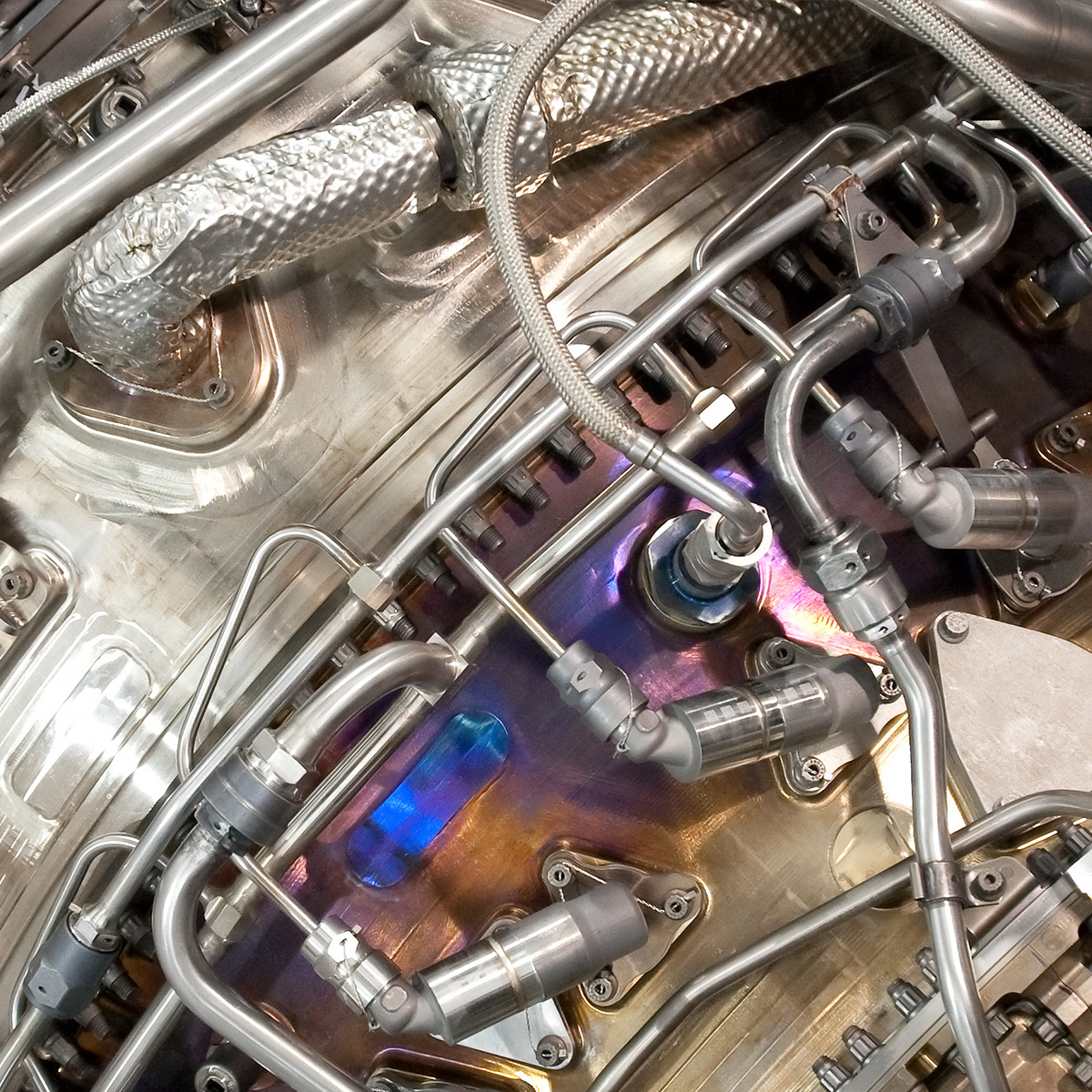
Aircraft hydraulic tubing routinely carries fluid at pressures around 3,000 psi while facing vibration, temperature changes, wear and corrosion. The challenge is delivering pressure capability and durability in tubing that can route efficiently through an increasingly packed aircraft.
High pressure. Small footprint.
ATI is one of the world’s largest producers of titanium-alloy Tube Reduced Extrusions (TREX) and nickel-titanium shape memory alloy used to make tubing for aerospace hydraulic systems. Titanium combines strength, corrosion resistance and low weight for hydraulic lines built to perform under pressure.
Landing Gear
Coming back to earth.
Take the hit. Then do it again.
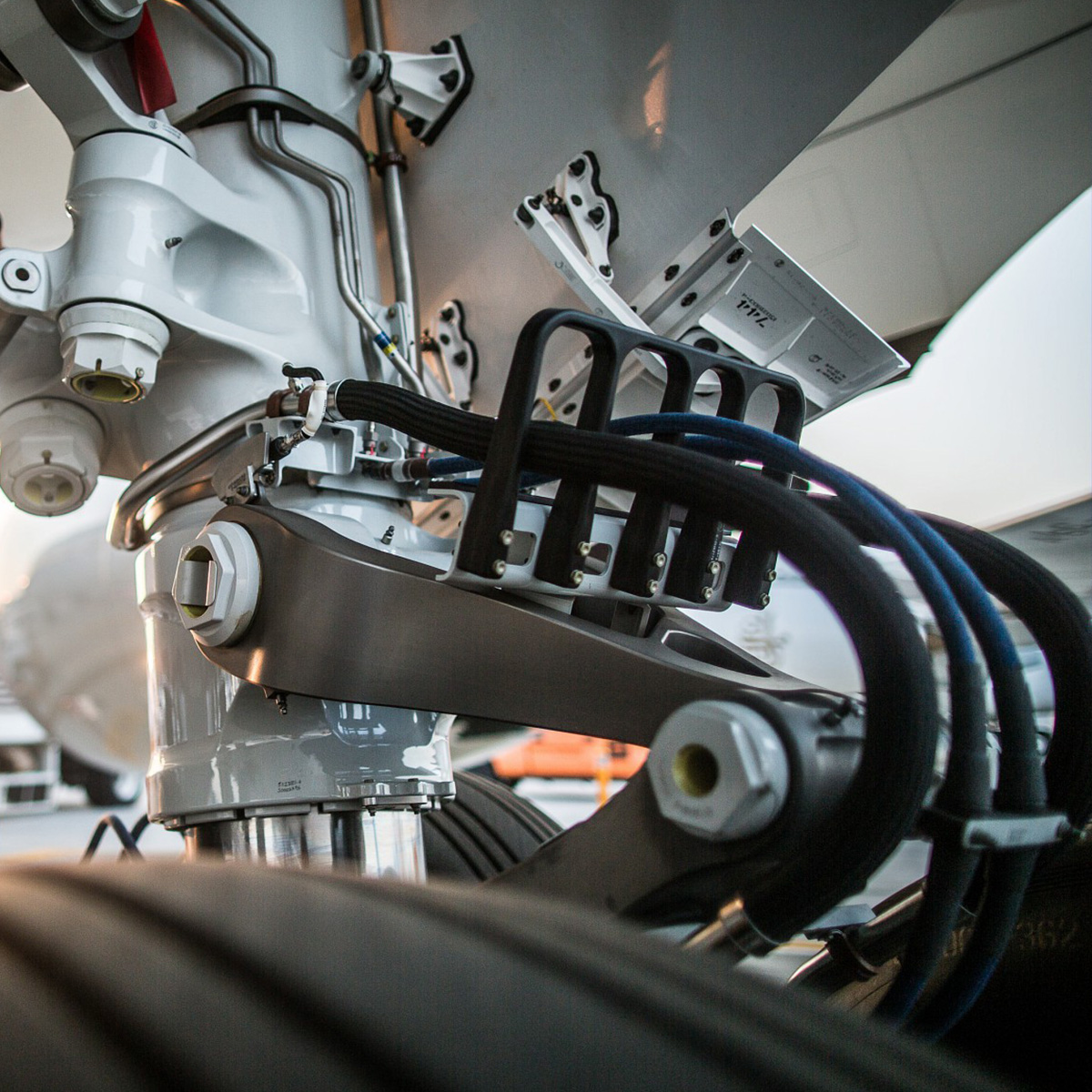
A commercial aircraft weighs hundreds of thousands of pounds as it touches down, transferring tremendous loads through the landing gear in seconds. Its components need exceptional strength, toughness and fatigue resistance to withstand landing after landing over a long service life.
Forged for impact.
ATI produces high-strength structural forgings and advanced alloys for landing-gear components, combining materials expertise with the forging capabilities needed for highly loaded structures. Landing gear alloys are ATI's strongest product category within Airframe.
Ribs and Stringers
Forced to evolve
Lift and air turbulence generate tremendous forces on an aircraft. It’s the job of ribs and stringers to distribute and bear the brunt of those forces. A job that grows increasingly difficult as today’s aircraft scale larger and wider.
A new framework for flight
ATI’s advanced titanium alloys give ribs and stringers increased rigidity and strength. This adds critical integrity to the overall internal framework of modern aircraft.

Wing Box
A critical connection
All the forces that want to rip an airplane apart - lift, thrust, and air turbulence - come together here creating a nexus of extreme stress. Any structural weakness at this connection would be catastrophic.
A feat of strength
Our high-strength titanium alloys and specialty steels are purposefully engineered for these crucial attachments. They withstand incredible forces to securely hold it all together.
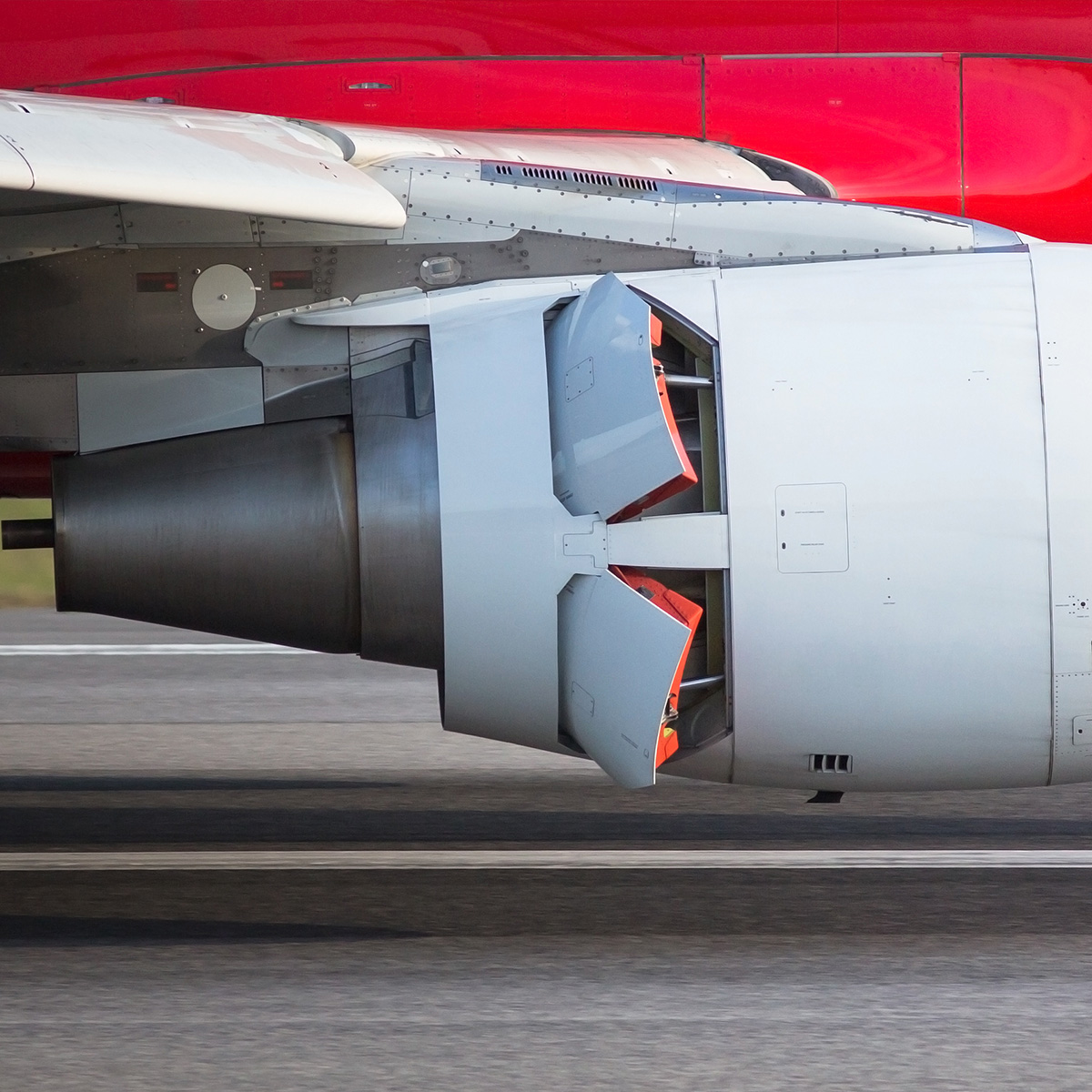
Thrust Reversers
Running out of runway
Rapidly reducing speed from approximately 160 mph to a stop within the length of a runway is a mighty challenge. As modern aircraft continue to scale in size and weight, stronger, more durable materials are required to get the job done.
Onward and forward with better thrust reversers
Our advanced titanium alloys answer the call of increasing demands. They are capable of handling the high pressure and heat that thrust reversers must endure during every single landing.
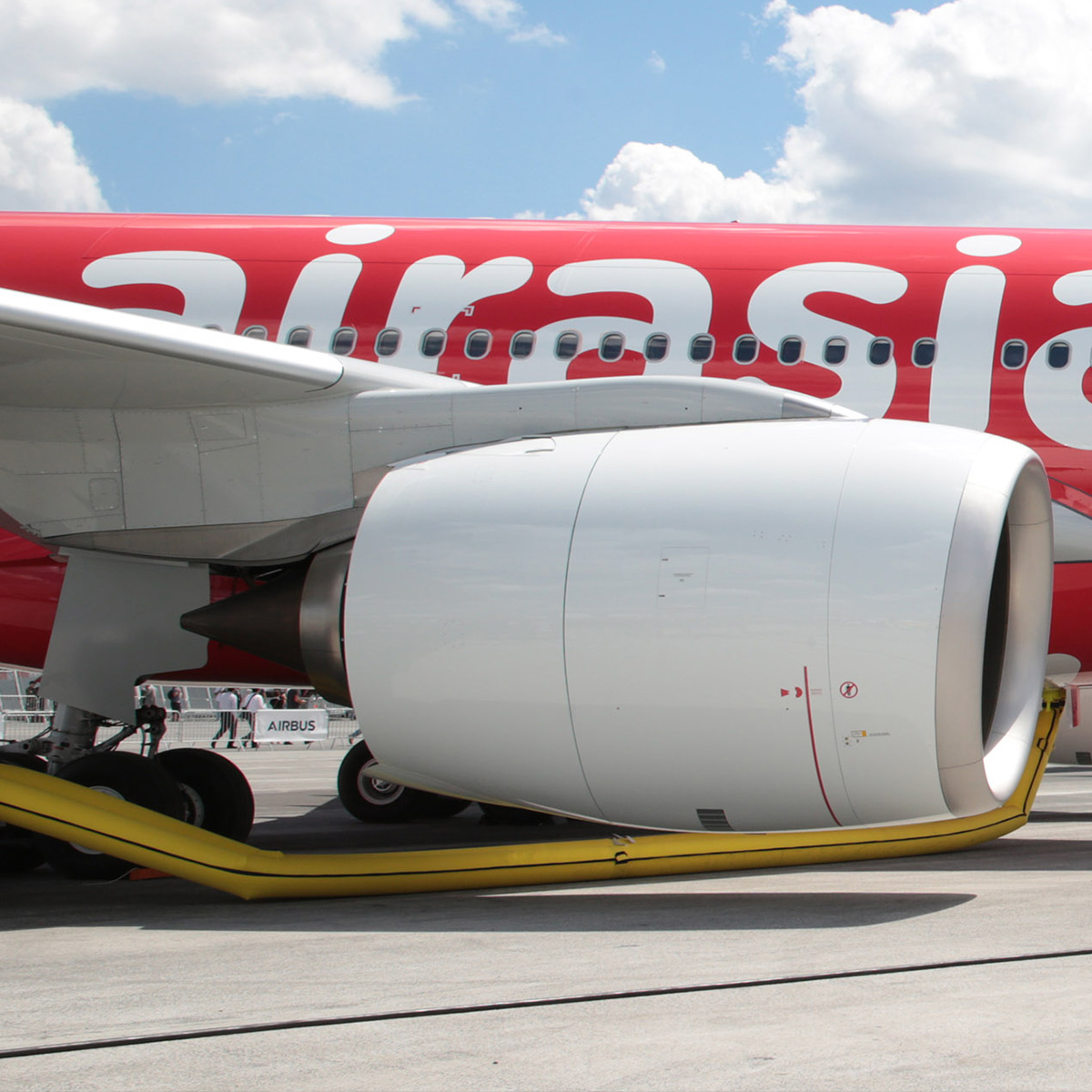
Engine Pylon
Attachment issues
An engine pylon must withstand up to 66,000 pounds of thrust and a constant blast of combustion and exhaust heat to keep the engine securely mounted to the airframe.
A secure connection
Maintaining extreme strength while managing extreme heat requires expertise in both materials and engineering. Our portfolio of titanium alloys, high strength steel, nickel alloys, and precision forgings keep this vital connection secure.
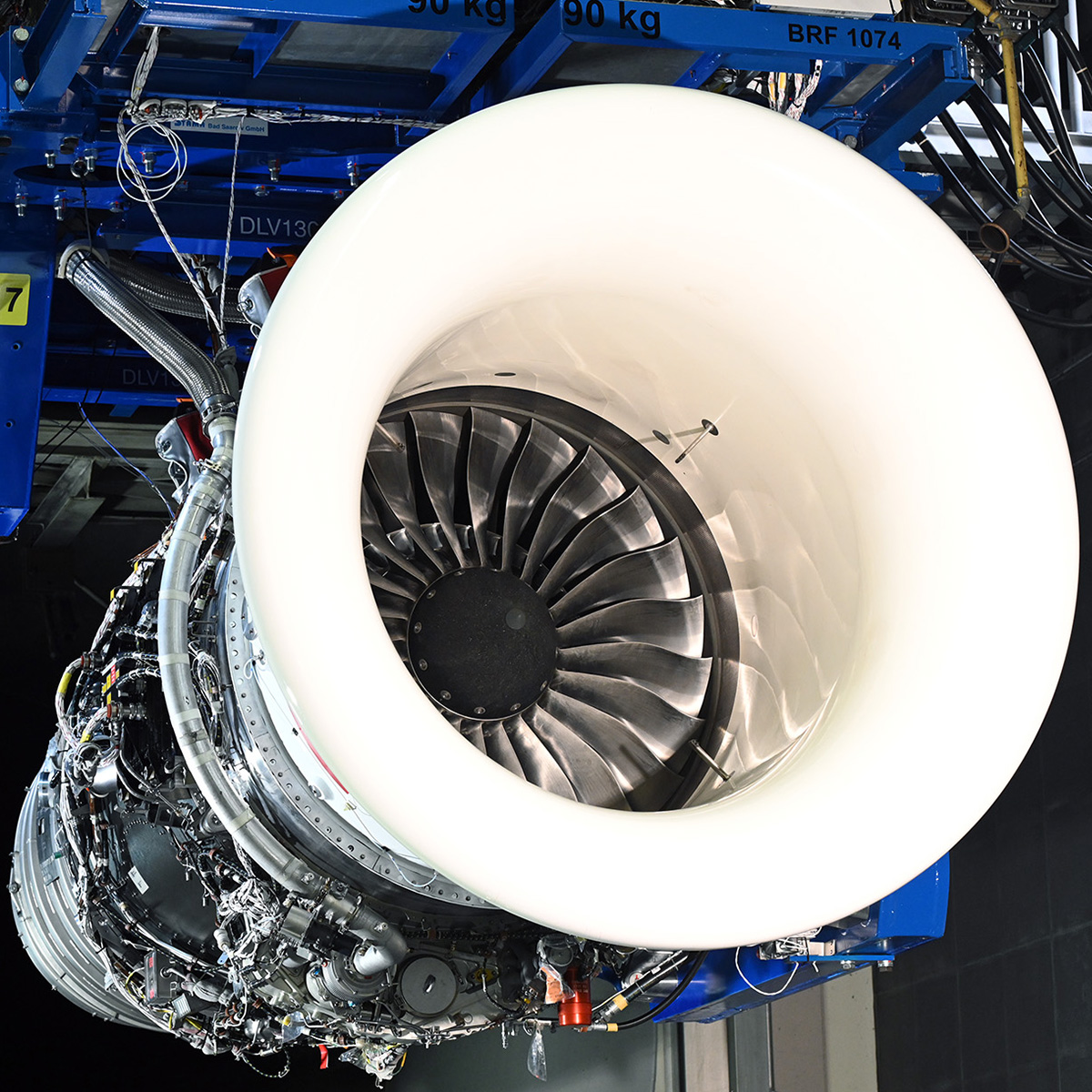
Lip Skin
The front line of impact defense
The lip skin must be durable enough to withstand high-velocity environmental punishment, from hail and rain erosion to the danger of bird strikes.
Leading the way
Our innovative titanium alloys provide the strength and durability required to protect the leading edge of the engine.
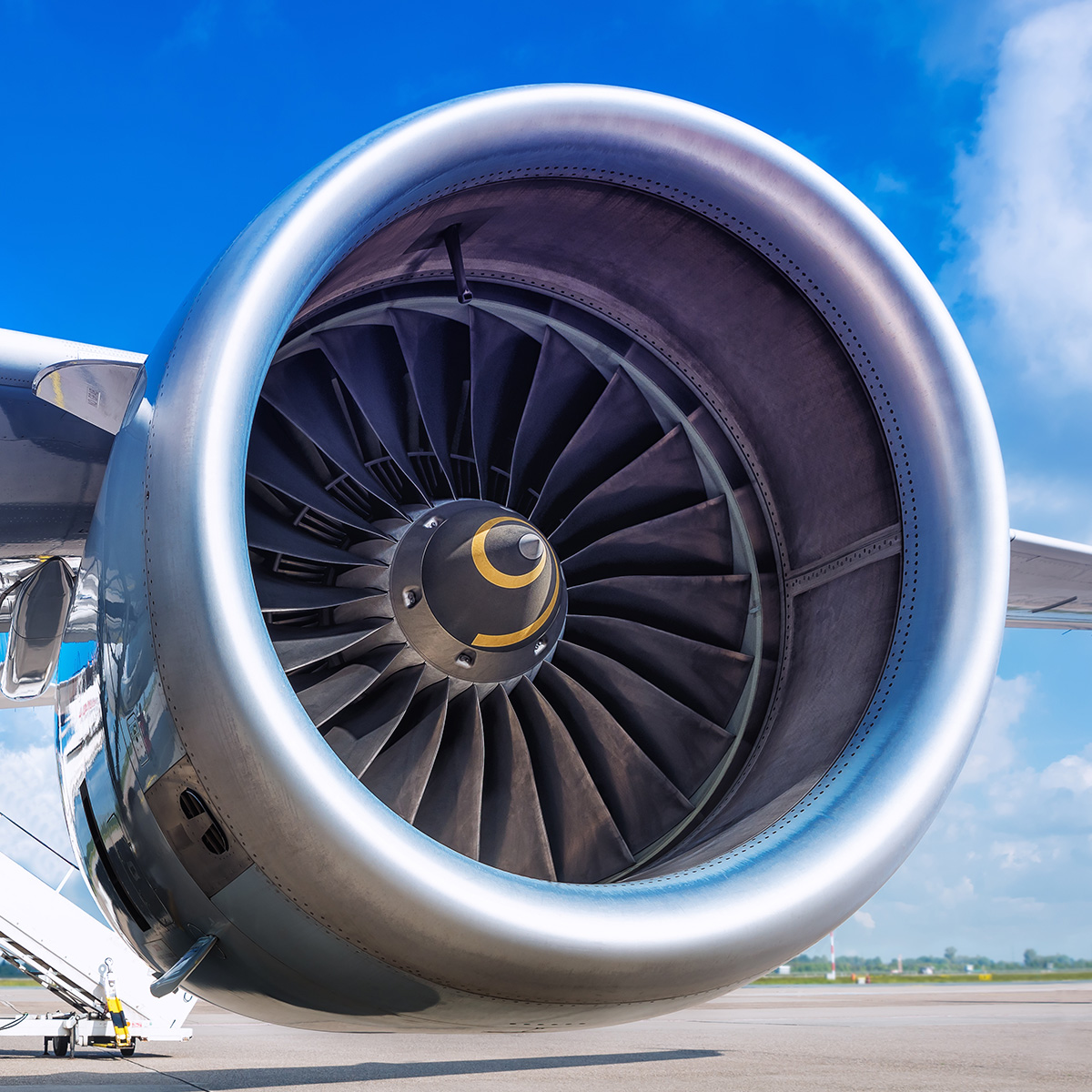
Nacelle
Beyond containment
The engine pylon must withstand up to 66,000 pounds of thrust and a constant blast of combustion and exhaust heat to keep the engine securely mounted to the airframe.
Making noise by reducing it
We value quieter skies - something we heard loud and clear. Our specialized honeycomb panels are engineered to dramatically muffle engine noise, while our high-strength alloys keep the entire aerodynamic structure light and fuel-efficient.